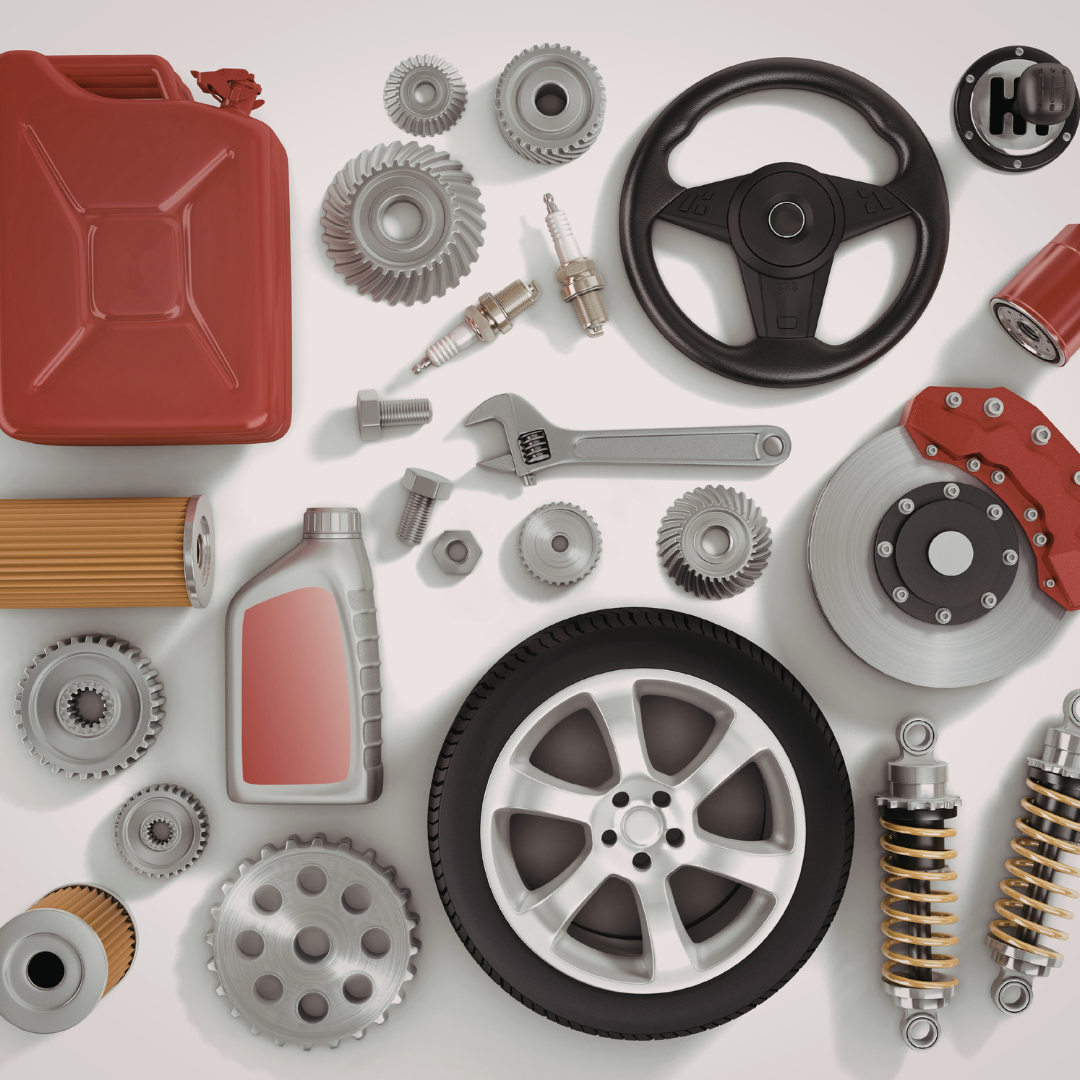
Knowing which tools to start with can make basic car maintenance easier and safer. The essential automotive tools for beginners include a socket set, screwdrivers, pliers, a wrench set, and a tire pressure gauge. These tools cover a wide range of simple repairs and maintenance tasks.
Having the right tools on hand can save time and money by allowing you to handle minor issues yourself. Understanding what each tool does helps build confidence and skills over time.
Essential Hand Tools for Automotive Beginners
A solid toolkit for automotive work begins with reliable hand tools that fit various fasteners and tight spaces. Each tool type serves a specific purpose in maintenance and repair tasks, helping beginners work efficiently.
Socket Sets and Ratchets
Socket sets include a variety of socket sizes that fit hexagonal nuts and bolts, making them essential for loosening and tightening fasteners. Ratchets allow you to turn sockets continuously without repositioning your hand, improving speed and convenience.
Typical socket sets come in metric and SAE sizes; having both covers most vehicles. A 3/8-inch drive ratchet is versatile and suitable for most car repairs. Look for sets with deep sockets for recessed bolts.
Materials like chrome vanadium steel increase durability. A socket set often includes extensions and universals, enabling access to hard-to-reach fasteners. Proper socket use reduces the risk of rounding bolt heads.
Combination Wrenches
Combination wrenches have an open end for quick loosening and a box end for better grip when applying torque. This dual functionality makes them highly useful for automotive tasks with limited space.
Sizes usually span from 8mm to 19mm in metric or 5/16 to 3/4 inch in SAE. Beginners should start with a basic set covering common sizes for their vehicle type. Look for a polished chrome finish for corrosion resistance.
The box end’s 12-point design fits bolts more securely, minimizing slipping. Wrenches should have a comfortable grip and be slim enough to fit tight spots around the engine or suspension components.
Screwdriver Sets
Screwdrivers come with various tips, such as flathead and Phillips, to match common automotive screws. A good set will include multiple sizes to handle everything from dashboard panels to electrical connectors.
Magnetic tips help hold screws in place, reducing drops during work. Handles should be ergonomically shaped to maximize torque without strain.
Consider sets that include Torx and hex drivers, as these are increasingly present in modern vehicles. Using the correct screwdriver size prevents damage to screw heads and makes repairs smoother.
Safety Gear and Precautions
Using proper safety gear reduces the risk of injury when working with tools and automotive components. It protects your skin, eyes, and hands from sharp edges, chemicals, and debris. Always prioritize safety before starting any repair or maintenance task.
Protective Gloves
Gloves are essential to protect hands from cuts, burns, and exposure to chemicals like oils and solvents. Choose gloves made from materials such as nitrile or latex for chemical resistance, or thicker leather gloves for handling sharp tools and heavy parts.
Avoid cotton gloves when working with oils, as they absorb fluids and lose protection. Ensure gloves fit snugly without restricting movement, which helps maintain tool control and precision. Always inspect gloves for tears or wear before use and replace them if damaged.
Safety Glasses
Safety glasses shield eyes from flying debris, dust, metal shavings, and fluid splashes. Select glasses with impact-resistant lenses marked with ANSI Z87.1 certification for reliable protection.
Wraparound styles offer side protection and prevent particles from entering around the frame. Anti-fog coatings are useful when working in humid or cold environments to maintain clear vision. Never substitute regular sunglasses for safety glasses, as they lack the necessary impact resistance.
Basic Pliers and Cutting Tools
Understanding the types of pliers and cutting tools is essential for basic automotive repairs. These tools help manipulate wires, hold small parts, and cut materials accurately and safely. Selecting the right tool ensures precision and efficiency while working on a vehicle.
Needle-Nose Pliers
Needle-nose pliers have long, tapered jaws ideal for gripping tight spaces and bending wires. Their slim design allows access to small areas within engine compartments or electrical panels. The serrated jaws provide a firm grip on nuts, bolts, or connectors without slipping.
Many models include a cutting edge near the pivot for trimming wires or removing pins. They are essential for tasks like reconnecting hoses, holding fuses, or working with clips. Durable, corrosion-resistant materials ensure reliability in automotive environments.
Wire Cutters
Wire cutters are specifically designed to cut electrical wires cleanly without crushing. They typically feature sharp, angled blades that make precise cuts through various wire gauges common in vehicles. This tool prevents frayed ends, which can cause faulty connections or shorts.
Some wire cutters also include features like insulated handles to protect against electric shock. They are crucial when replacing wiring, trimming cable ties, or stripping insulation. Keeping the blades sharp and clean maintains cutting efficiency over time.
Measuring and Inspection Tools
Accurate measurements and inspections are essential for basic automotive maintenance. The tools covered here help ensure proper tire pressure and confirm dimensions or distances during various repair tasks.
Tire Pressure Gauge
A tire pressure gauge measures the air pressure inside tires, which is crucial for safe driving and fuel efficiency. Maintaining the correct pressure prevents premature tire wear and improves handling.
There are several types of tire pressure gauges: analog dial, digital, and pencil-style. Digital gauges typically offer the most precise readings and are easy to use. To measure, remove the valve cap, press the gauge onto the valve stem firmly, and read the pressure level.
Check tire pressure when tires are cold for accurate results. The recommended PSI (pounds per square inch) for your vehicle is usually found on a sticker inside the driver’s door or in the owner’s manual. Keep a gauge in your emergency kit for regular checks.
Tape Measure
A tape measure is a flexible ruler used to measure length or distance on parts during repairs or modifications. It is especially useful for checking dimensions like brake rotor thickness or distances between mounting points.
Most automotive tape measures are 12 to 25 feet long and feature a locking mechanism to hold the tape in place. Some have magnetic tips to assist in one-person measurements.
Select a tape measure with clear, easy-to-read markings, preferably in both inches and millimeters. A reliable tape measure provides precise measurements critical for fitting parts and ensuring proper clearances.
Automotive Lifting and Support Equipment
Lifting and support equipment is essential for safely raising a vehicle and keeping it stable during repairs. Using the right tools reduces risk and increases control while working underneath a car.
Hydraulic Floor Jack
A hydraulic floor jack uses fluid pressure to lift heavy vehicles with minimal effort. It typically features a strong steel frame and a padded saddle that fits under the car’s lifting points.
These jacks are rated by weight capacity, often ranging from 2 to 3 tons for most passenger vehicles. Look for one with a low minimum height for better access to sportier or lowered cars.
The operation involves pumping the jack handle to raise the car and releasing a valve to lower it smoothly. Hydraulic floor jacks offer precision and require less force than scissor or bottle jacks, making them preferable for frequent use.
Jack Stands
Jack stands provide a secure and stable platform to hold a vehicle after lifting. They are critical for safety, as relying on a jack alone can lead to accidents if it fails.
Most jack stands feature adjustable heights, often from 9 to 15 inches, and a ratchet or pin locking mechanism to secure the position. Choose sturdy steel construction with a wide base to prevent tipping.
Place jack stands under manufacturer-recommended lift points for stability. Never work under a vehicle supported only by a hydraulic floor jack. Always test the stands by gently rocking the vehicle before beginning work.
Fastening and Removal Tools
Fastening and removal tools are essential for working on various automotive parts, from tightening bolts to loosening stubborn fasteners. These tools provide precision and leverage, ensuring components are secured correctly or removed safely without damage.
Torque Wrenches
Torque wrenches apply a specific amount of force when tightening fasteners, preventing over-tightening or under-tightening. They are crucial for safety-critical parts like wheel lug nuts and engine components, where proper torque ensures reliable performance and avoids thread damage.
Most torque wrenches have a dial or digital readout, allowing users to set and monitor the desired torque value in foot-pounds (ft-lb) or newton-meters (Nm). Using the correct torque prevents stripped threads and prevents bolts from loosening due to vibration.
Common types include click-type, beam, and digital torque wrenches. Click-type is popular for beginners since it gives an audible click when the preset torque is reached. Always calibrate torque wrenches periodically to maintain accuracy.
Breaker Bar
A breaker bar is a long, non-ratcheting handle that provides additional leverage to loosen tight fasteners. It is especially useful for rusted or over-tightened bolts where a standard ratchet might not deliver enough torque.
The extended length of the breaker bar increases torque without applying excessive force, reducing the risk of breaking the tool or damaging the fastener. Breaker bars often use standard drive sizes (e.g., 3/8″, 1/2″) to fit various sockets.
Unlike torque wrenches, breaker bars do not measure torque but provide power to break loose frozen components. They are best used as a first step before switching to a ratchet or torque wrench for precise tightening or removal.
Diagnosing and Maintenance Tools
Effective vehicle troubleshooting and routine maintenance require specific diagnostic instruments. These tools help identify electrical issues and engine problems quickly, saving time and preventing further damage.
Multimeter
A multimeter measures electrical properties such as voltage, current, and resistance. It is essential for testing car batteries, fuses, and wiring. Beginners should look for a digital multimeter with clear readings and multiple functions.
When using a multimeter, always start with the vehicle off for resistance checks. For voltage tests, the engine should generally be running to get accurate readings from the electrical system. Common uses include verifying battery voltage (12.6 volts is typical for a healthy battery) and checking continuity in wiring.
OBD-II Scanner
An OBD-II scanner reads error codes from a vehicle’s onboard computer system. Nearly all cars manufactured after 1996 support OBD-II diagnostics. This tool identifies specific trouble codes related to the engine, transmission, and emissions systems.
When connected via the car’s diagnostic port, the scanner displays standardized codes (e.g., P0301 for cylinder 1 misfire). Many units offer real-time data like RPM, coolant temperature, and oxygen sensor status. Choosing a scanner with code definition capability helps simplify repairs for beginners.
Consumables and Miscellaneous Supplies
Certain supplies are essential for maintaining cleanliness and ensuring smooth repairs. These items may seem minor, but they play a crucial role in every automotive task.
Shop Towels
Shop towels are indispensable for wiping hands, tools, and surfaces. Choose lint-free, heavy-duty towels designed to absorb grease, oil, and dirt effectively. Reusable towels made of microfiber offer durability and cost efficiency, while disposable paper towels provide convenience during messy jobs.
Keep a pack of shop towels within easy reach to avoid cross-contamination between components. They help maintain a safer, cleaner workspace and prevent debris from interfering with sensitive parts like electrical connectors.
Penetrating Oil
Penetrating oil loosens rusted or seized bolts, nuts, and other fasteners. It reduces the risk of stripping threads or breaking hardware during disassembly. Choose a product with good penetration power and corrosion resistance to maximize effectiveness.
Spray the oil on stubborn parts and allow it to soak for at least 10-15 minutes before attempting to turn them. Regular use prevents the buildup of rust, reducing future repair difficulty and extending the life of automotive fasteners.
Organizing and Storing Automotive Tools
Proper organization of tools saves time and protects equipment. Start with a designated workspace where tools can be kept consistently. This reduces the risk of losing or damaging tools.
Toolboxes or tool chests with multiple drawers are ideal. Use drawer dividers or small containers to separate different types of tools, like wrenches, screwdrivers, and sockets. Label each section for quick identification.
Wall-mounted pegboards offer easy visibility. Arrange tools by size or function, and hang frequently used items within reach. Pegboards also free up workspace by keeping tools off benches and floors.
Consider portable tool bags or cases for on-the-go repairs. These keep essential tools together and make transportation simple.
| Storage Option | Advantages | Best For |
| Tool Chest | Large capacity, secure | Home garages |
| Pegboard | Visible, easy access | Small workshops |
| Portable Tool Bag | Mobility, compact | Travel and emergency kits |
| Wall Cabinets | Dust protection, organized | Long-term storage |
Regularly clean and maintain tool storage areas. Remove dirt, oil, and debris to extend tool life. A clean, orderly space enhances both safety and efficiency.