Car warning lights can be confusing, but understanding them is essential for safe driving and vehicle maintenance. Each light indicates a specific issue or system status, helping you know when immediate action is needed or when a simple check is sufficient.
Some lights warn about critical problems like engine failure or brake issues, while others might signal something less urgent, such as low fuel or routine maintenance reminders. Recognizing what these lights mean can prevent costly repairs and keep your car running smoothly.
This guide breaks down the most common warning lights in simple terms. Knowing how to respond to each one can save time, money, and stress on the road.
Understanding Car Warning Lights
Car warning lights provide critical information about your vehicle’s status and alert you to issues that need attention. These indicators vary in meaning and urgency, helping you maintain your car’s performance and safety.
What Are Car Warning Lights?
Car warning lights are small icons on your dashboard that illuminate when the vehicle’s sensors detect a problem or condition. Each light corresponds to a specific system, such as the engine, brakes, or airbags.
They can be steady or flashing, with flashing lights often signaling a more urgent issue. Ignoring these lights can lead to damage or unsafe driving conditions. Knowing what each light means helps you respond quickly and appropriately.
Why Are Warning Lights Important?
Warning lights alert you to mechanical or electrical issues that may affect your car’s safety and function. Early detection through these lights can prevent costly repairs.
Ignoring warning lights increases the risk of breakdowns or accidents. They act as your car’s first line of communication, offering real-time updates on key systems. Some warnings require immediate action, while others indicate scheduled maintenance needs.
Types of Warning Light Symbols
Warning light symbols are categorized by color and shape to indicate urgency:
- Red lights: Critical warnings needing immediate action (e.g., brake system warning, engine oil pressure).
- Yellow or amber lights: Caution, system needs checking soon (e.g., check engine, tire pressure).
- Green or blue lights: Informational, system active (e.g., cruise control, high beams).
Common symbols include the engine icon, oil can, battery, and ABS letters. Learning these symbols helps identify problems quickly and decide what steps to take.
Common Dashboard Warning Lights and Their Meanings
Dashboard warning lights provide important information about your car’s condition. Some signals require immediate action, while others indicate maintenance needs. Understanding these lights helps you avoid damage and stay safe.
Engine Warning Light
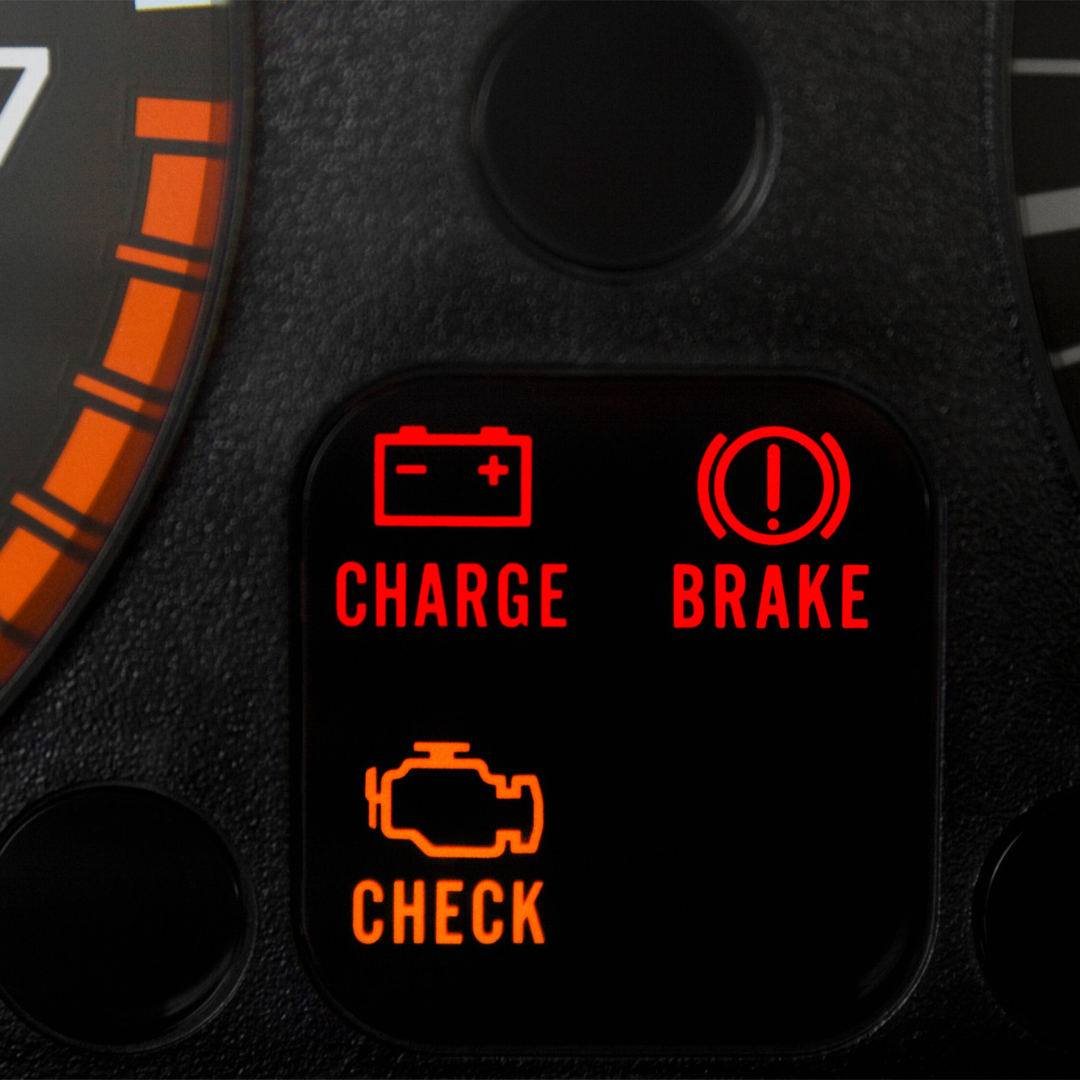
The engine warning light, often shaped like an engine or labeled “Check Engine,” signals a problem with the car’s emissions, ignition, or fuel system. It can indicate issues such as misfires, oxygen sensor failures, or problems with the catalytic converter.
When this light comes on, you can usually continue driving, but you should have the vehicle checked soon. If it flashes, it means a serious engine issue that requires immediate attention to prevent damage. Using an OBD-II scanner can retrieve diagnostic trouble codes to identify the specific fault.
Ignoring this light can lead to reduced fuel efficiency, increased emissions, or costly repairs.
Oil Pressure Light
The oil pressure light looks like an oil can and warns that your engine’s oil pressure is dangerously low. Low oil pressure means oil is not circulating correctly, risking severe engine damage from inadequate lubrication.
If this light illuminates while driving, stop the vehicle as soon as it is safe. Check the oil level immediately using the dipstick. If the oil level is normal, the problem might be a failing oil pump or a leak. Driving with low oil pressure can cause engine seizure.
Regular oil changes and monitoring oil levels help prevent this warning.
Battery Charge Warning
The battery charge warning light usually looks like a battery symbol. It indicates an issue with the car’s charging system, often involving the alternator or battery.
If this light turns on while driving, your car is running on battery power alone. You should minimize electrical use and drive to a service center quickly to avoid a dead battery. Common causes include a loose or worn alternator belt, a faulty alternator, or battery problems.
Ignoring this warning can lead to the car stalling when the battery discharges.
Brake System Warning
The brake system warning light is typically a circle with an exclamation mark or the word “BRAKE.” This light signals a problem with the braking system, such as low brake fluid, worn brake pads, or an engaged parking brake.
If the light stays on after releasing the parking brake or while driving, check the brake fluid level immediately. Low fluid could indicate a leak or worn pads. Brake issues affect stopping power and are critical for safety.
Have your brakes inspected and repaired promptly to avoid accidents.
Safety-Related Warning Lights
Several warning lights are directly linked to your vehicle’s safety systems. These lights alert you to potential issues that could affect braking, passenger protection, or tire condition. Understanding these symbols helps maintain vehicle safety and prevent accidents.
ABS Warning Light
The ABS (Anti-lock Braking System) warning light indicates a problem with your vehicle’s anti-lock brakes. When this light turns on, it means the ABS is not functioning properly, although your regular brakes will still work. However, without ABS, your vehicle may skid or lose steering control in emergency braking situations.
Common causes include faulty wheel speed sensors, damaged wiring, or a malfunctioning ABS pump. It’s important to have this checked promptly by a professional. Driving with the ABS light on increases the risk of accidents, especially on slippery roads.
Airbag Warning Indicator
This light signals an issue with the vehicle’s airbag system. If illuminated, it means the airbags or the sensors that trigger them might fail during a collision. This can put you and your passengers at serious risk in the event of an accident.
The cause could be a faulty sensor, damaged wiring, or a problem with the airbag module. Avoid driving long distances with this light on. Have the system inspected immediately to ensure the airbags deploy correctly when needed.
Tire Pressure Monitoring Light
The tire pressure monitoring system (TPMS) light comes on when one or more tires are significantly underinflated. Proper tire pressure is crucial for safe handling, braking efficiency, and fuel economy.
Check all tires with a pressure gauge and inflate them to the manufacturer’s recommended levels, usually found on a sticker inside the driver’s door. If the light stays on after adjusting pressure, the TPMS sensor may be defective or damaged. Drive cautiously and address the issue quickly.
Performance and System Warning Lights
Performance and system warning lights alert drivers to specific issues that affect vehicle operation and safety. These indicators often require immediate attention to prevent damage or unsafe conditions. Understanding their meaning helps drivers take appropriate action quickly.
Coolant Temperature Light
The coolant temperature light signals when the engine is overheating. This usually means the coolant level is low, the thermostat is stuck, or there is a failure in the cooling fan or water pump. Continued driving with this light on risks severe engine damage.
If the light comes on, stop the vehicle as soon as it’s safe and check the coolant level after the engine cools. Never open the radiator cap while the engine is hot. If the coolant refill doesn’t resolve the issue, have the cooling system inspected by a mechanic immediately.
Transmission Warning
A transmission warning light indicates a problem with the vehicle’s transmission system. It could mean fluid levels are low, there is overheating, or internal mechanical issues. Ignoring this warning can result in transmission failure, which is expensive to repair.
If this light activates, avoid sudden acceleration and heavy loads. Check transmission fluid condition and level if possible. A scheduled inspection or repair should follow soon to avoid worsening the condition. Some vehicles display additional codes that a mechanic can read to diagnose the exact issue.
Power Steering Warning
The power steering warning light shows a fault in the power steering system. This could be due to low power steering fluid, pump failure, or electrical system issues if the vehicle has an electric power steering setup. A failure here affects steering ease and control.
When this light turns on, steering may feel heavier or less responsive. It is recommended to check fluid levels first. If the problem persists, professional diagnostics are needed to prevent potential steering loss. Do not ignore this warning, as it impacts driving safety directly.
Less Common Car Warning Lights
Some warning lights appear less frequently but carry important information about your car’s condition. These lights often relate to specific systems that affect vehicle performance or safety.
Traction Control Light
The traction control light usually looks like a car with squiggly lines beneath it. This light comes on when the traction control system activates. The system helps prevent wheel spin during slippery conditions by adjusting engine power or engaging the brakes on individual wheels.
If the light stays on continuously, it may indicate a fault in the traction control system or a related issue like a bad wheel speed sensor. Driving with this light on means your car’s ability to maintain traction in slippery situations might be compromised. You should have the system checked by a professional to ensure proper function.
Glow Plug Indicator
This light is mainly found in diesel vehicles and resembles a coil or spring symbol. It illuminates when you turn the ignition key to the “on” position and signals that the glow plugs are warming up. Glow plugs heat the engine cylinders for easier starting in cold weather.
You should wait until the light turns off before starting the engine. If it flashes or stays on after engine start, it could indicate a problem with the glow plugs or the control circuit. Ignoring this warning may lead to hard starting or increased emissions, so timely inspection is recommended.
Headlamp Indicator
The headlamp indicator generally appears as a green or blue symbol shaped like a light beam. It signals that either your low or high beam headlights are active. A steady green light means low beams are on; a blue light usually indicates high beams.
If the indicator flashes or fails to light up when you activate your headlights, this could suggest a bulb failure or an electrical issue. Functioning headlamps are critical for nighttime driving and visibility, so you should address any problem immediately to maintain road safety.
| Warning Light | Meaning | Action Required |
| Traction Control Light | The system is active, or a fault detected | Drive cautiously, and have the system checked |
| Glow Plug Indicator | Glow plugs warming or fault | Wait to start; inspect if the light stays on |
| Headlamp Indicator | Headlamp status | Check bulbs or the electrical system if abnormal |
What To Do When a Warning Light Appears
Knowing how to respond when a warning light comes on can prevent further damage and keep you safe. Immediate action varies depending on the warning, and knowing when to consult a mechanic is crucial. Resetting the lights often requires proper diagnosis and tools.
Immediate Steps to Take
When a warning light turns on, first identify the light using your car’s manual. If it’s a red or flashing light, stop driving as soon as it is safe because this indicates a serious issue. For example, a flashing engine light usually signals an engine misfire that could damage the catalytic converter.
If the light is yellow or orange, the problem is less urgent but still requires attention. Check fluid levels like oil or coolant and top them off if needed. Make sure to turn off accessories that could be overloading the system, such as the AC or stereo, to reduce strain.
When to Seek Professional Help
Professional service is necessary if the warning light remains on after basic checks or if the light is red or flashing. Serious problems like brake system failure, engine overheating, or airbag malfunction need immediate diagnostics from a certified mechanic.
Schedule repairs promptly for persistent lights related to the engine, transmission, or emissions systems. Ignoring these lights can result in more expensive damage or safety hazards. Keep in mind that some warning lights, such as the check engine light, require specialized equipment to read error codes.
Resetting the Warning Lights
Resetting warning lights without fixing the underlying problem can be dangerous. Many modern vehicles require an OBD-II scanner to safely clear codes after repairs. Some minor warnings reset automatically once the issue is resolved, like low tire pressure.
For simple cases, disconnecting the battery for 10-15 minutes might reset the lights, but can also erase other settings, and should be done cautiously. Always confirm the cause of the light before resetting to avoid repeat problems and ensure your vehicle remains safe and reliable.
Preventing Dashboard Warning Light Issues
Proper vehicle care and clear information access help reduce unexpected warning lights. Addressing system needs early can keep many alerts from appearing.
Regular Maintenance Tips
Follow your vehicle’s recommended service schedule precisely. Regular oil changes, tire rotations, and brake inspections reduce the chance of warning lights activating due to neglect or wear.
Check fluid levels monthly, including engine oil, coolant, brake, and transmission fluids. Low or dirty fluids often trigger dashboard alerts related to engine temperature or lubrication problems.
Inspect battery health and clean terminals routinely. Corroded or weak batteries cause electrical system warnings. Also, replace air filters every 12,000 to 15,000 miles to prevent engine performance issues.
Understanding Your Owner’s Manual
The owner’s manual provides detailed explanations for each dashboard indicator. Use it as a primary reference to identify the meaning and urgency of a light.
Locate the warning light section early, and keep the manual in your car. This ensures quick, informed responses to any alerts during travel.
Pay attention to specific instructions for reset procedures or when professional service is necessary. Manuals also list maintenance intervals tied to warning lights, helping avoid confusion and unnecessary service visits.
Conclusion
Car warning lights provide essential information that helps keep your vehicle safe and reliable. Understanding what each light means allows you to respond appropriately, whether it’s a simple reminder or a serious issue.
Ignoring warning lights can lead to costly repairs and unsafe driving conditions. Always check your owner’s manual for specific details related to your car model.
Key points to remember:
- Red lights: Require immediate attention
- Yellow/orange lights: Indicate caution or service needed soon
- Green/blue lights: Informational or system status
Regular maintenance and prompt action when warning lights appear can extend your vehicle’s lifespan and improve performance. Staying informed about these indicators helps prevent unexpected breakdowns and ensures your safety on the road.