Routine vehicle checks are essential for maintaining optimal performance and safety on the road. Regular inspections can prevent costly repairs and ensure that vehicles run smoothly. Many drivers overlook these checks, resulting in unforeseen breakdowns and accidents that could have been avoided.
Performing consistent vehicle maintenance, such as checking tire pressure, fluid levels, and brake functionality, fosters a sense of reliability. It also contributes to the longevity of the vehicle. Understanding which areas to monitor can empower vehicle owners to take proactive steps in their maintenance routine.
Neglecting routine checks not only affects the vehicle’s performance but also compromises safety. Keeping a checklist can simplify the process and provide peace of mind. Prioritizing these inspections enables drivers to stay informed and confident about their vehicle’s condition.
Importance of Routine Vehicle Checks
Routine vehicle checks are essential for maintaining safety on the road. Regular inspections help identify potential issues before they become serious problems. This proactive approach minimizes the risk of breakdowns.
Routine checks can enhance vehicle performance. Ensuring that tires, brakes, and fluids are in proper condition contributes to better fuel efficiency. This can result in cost savings over time.
Key Benefits:
- Safety: Regular checks reduce the likelihood of accidents due to mechanical failures.
- Longevity: Consistent maintenance extends the life of the vehicle.
- Value: A well-maintained vehicle retains its resale value better than one that has not been regularly inspected.
Checklists for routine inspections often include essential components such as:
- Tires: Inspect tread depth and tire pressure.
- Fluids: Check oil, coolant, and brake fluid levels.
- Brakes: Assess brake pads and discs for wear.
- Lights: Ensure all lights function properly.
By committing to routine checks, drivers ensure their vehicles operate safely and efficiently. Neglecting these checks can lead to costly repairs and pose safety risks. When extensive repairs or modifications are needed, the quality of the parts used is paramount. This can be important for vehicles that are made for heavy use, in which case having access to reliable and high quality commercial vehicle body building parts can be important. Regular maintenance, however, remains the most fundamental reflection of responsible vehicle ownership.
Conducting Pre-Trip Inspections
Pre-trip inspections are critical for ensuring vehicle safety and performance. By systematically checking both the exterior and interior, as well as testing controls, potential issues can be identified before hitting the road.
Checking Vehicle Exterior
A thorough inspection of the vehicle’s exterior is essential. Begin with the body, looking for dents, scratches, or rust that may compromise integrity. Check the tires for proper inflation and tread depth; a minimum of 1/16 inch tread is advisable.
Inspect lights, including headlights, brake lights, and turn signals. They should function properly to ensure visibility and communication with other drivers. Don’t forget to check mirrors for clarity and proper adjustment.
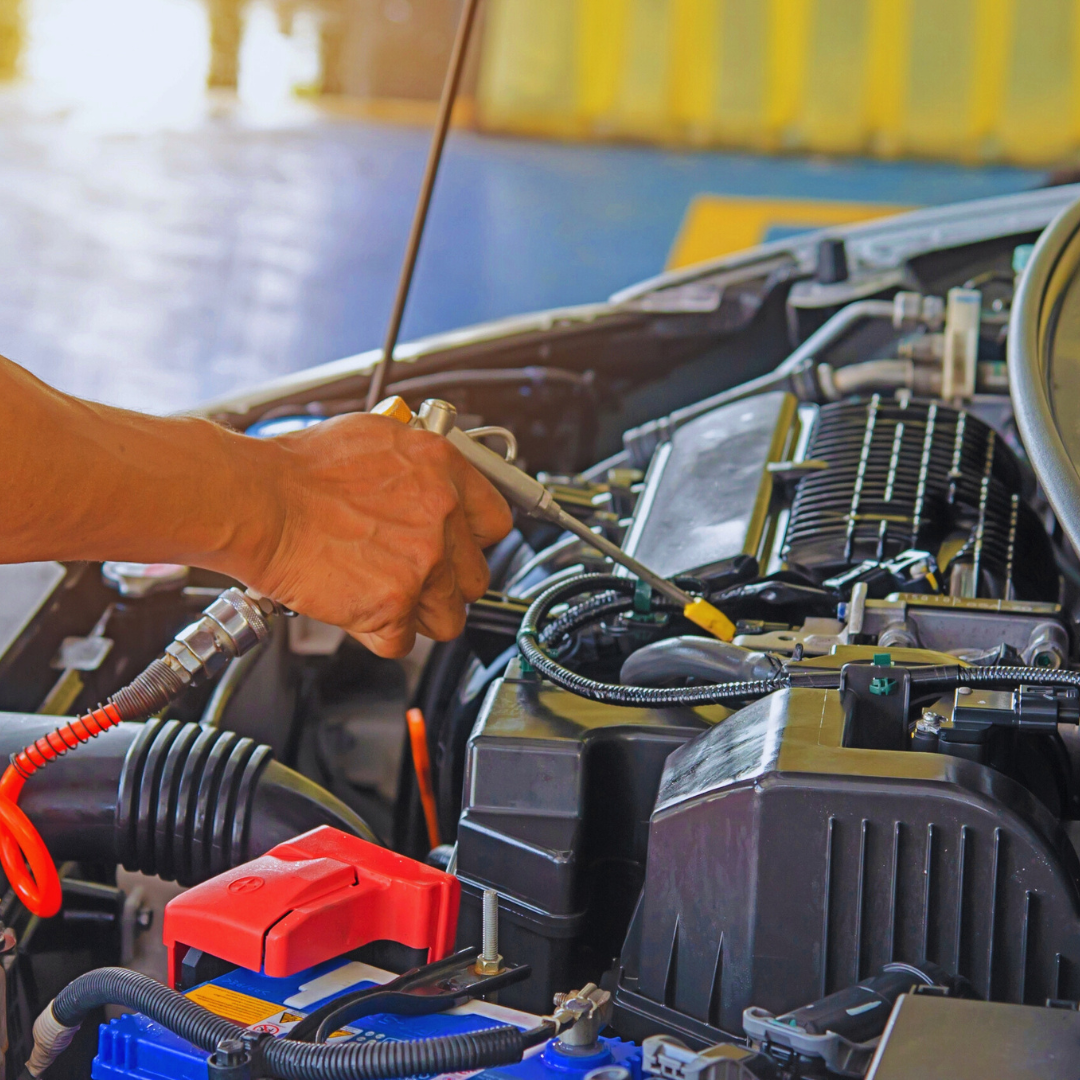
Open the hood to examine the fluid levels. This includes engine oil, coolant, and windshield washer fluid. Look for any leaks underneath the vehicle, which could indicate underlying problems.
Inspecting Vehicle Interior
Inside the vehicle, start with seat belts. Confirm that all belts are functioning and in good condition for passenger safety. Check for any signs of damage, such as fraying or twisting.
Inspect all interior lights, including the dome light and dashboard indicators. Ensure they illuminate when needed, contributing to safety during night driving.
Next, assess the cleanliness and organization of the vehicle’s interior. A clutter-free environment enhances focus and safety. Additionally, verify that all essential items, such as registration and insurance, are easily accessible.
Testing Vehicle Controls
Testing controls is key to ensuring a safe trip. Begin with the steering wheel; it should turn smoothly with no unusual resistance or noises.
Check the brakes for functionality. The pedal should feel firm and responsive without any grinding or vibrations.
Examine the horn, wipers, and defroster. Each should operate effectively. For climate control, make sure both heating and air conditioning function, aiding comfort during the drive.
Lastly, confirm that the navigation and audio systems are operational, which can provide guidance and enhance the driving experience.
Engine and Fluid Checks
Regular checks of engine oil, coolant, brake fluid, and transmission fluid are vital for a vehicle’s performance. Monitoring these levels ensures optimal operation and can prevent costly repairs.
Engine Oil Level
The engine oil level plays a crucial role in maintaining engine health. Insufficient oil can lead to increased friction, overheating, and potential engine damage.
To check the oil level, the following steps should be taken:
- Park the Vehicle: Ensure the vehicle is on a level surface and turn off the engine.
- Remove the Dipstick: Pull out the dipstick, wipe it clean, and reinsert it fully.
- Check the Level: Pull it out again to observe the oil level against the markers. The oil should be between the “low” and “full” marks.
- Add Oil if Necessary: If the level is low, add the recommended oil type through the oil filler cap.
Routine checks should be carried out at least once a month.
Coolant Fluid Level
The coolant fluid prevents the engine from overheating. It circulates through the engine and radiator, absorbing heat and transferring it away. Low coolant levels can lead to overheating and severe engine damage.
To check coolant levels:
- Locate the Reservoir: Find the coolant reservoir in the engine bay.
- Inspect the Level: The reservoir should have markings indicating “low” and “full” levels. Ensure the coolant is at an adequate level, preferably closer to “full.”
- Look for Signs of Leakage: Examine hoses and connections for wear or leaks, which could lead to fluid loss.
It’s advisable to check the coolant level regularly, especially before long trips or in extreme temperatures.
Brake Fluid Level
Brake fluid is vital for the hydraulic brake system to function correctly. Low brake fluid levels can compromise braking performance, posing a safety risk.
Steps to check brake fluid levels include:
- Locate the Brake Fluid Reservoir: It is typically near the back of the engine bay, often labeled.
- Check the Level: The reservoir usually has markings indicating minimum and maximum levels. Confirm the fluid is within the recommended range.
- Inspect for Contamination: If the fluid appears dark or murky, it may need to be replaced.
Routine checks should be performed frequently, particularly if the brakes feel spongy or less responsive.
Transmission Fluid
Transmission fluid lubricates the internal components of the transmission, ensuring smooth operation. Low fluid levels can lead to shifting issues and potential damage.
To ensure proper levels:
- Engine Running: Checks should be performed with the engine running and the transmission in “Park” or “Neutral.”
- Locate the Dipstick: This may vary by vehicle; refer to the owner’s manual for precise location.
- Check the Fluid Level: Pull out the dipstick, wipe it clean, reinsert it, and check the level. The fluid should be bright red and have a slick texture.
Regular checks will help maintain transmission health and allow for early detection of leaks or degradation in fluid quality.
Tire Maintenance
Proper tire maintenance is crucial for vehicle safety and performance. Regularly checking tire pressure, tread depth, and wheel alignment can reduce tire wear and enhance driving stability.
Tire Pressure
Tire pressure affects fuel efficiency and vehicle handling. Maintaining the correct tire pressure, as specified in the owner’s manual or on the driver’s side door jamb, is essential.
- Check Monthly: The best time to check tire pressure is when tires are cold. Use a reliable tire pressure gauge.
- Recommended Levels: Low pressure increases rolling resistance, leading to tire wear and decreased fuel efficiency. High pressure can result in reduced grip on the road.
Pressure should be adjusted based on load and driving conditions. Regular monitoring can prevent blowouts and extend tire life. If the tire pressure warning light flashes on the dashboard, it’s often a sign of a deeper issue, such as a faulty sensor or significant air loss. To better understand what this warning means and how to address it, learn more about the causes and solutions associated with a flashing tire pressure light.
Tire Tread Depth
Tread depth significantly influences traction, especially in wet conditions. Adequate tread depth enhances grip and steering control.
- Minimum Depth: The legal minimum tread depth in many regions is 2/32 of an inch. To gauge tread depth, insert a quarter into the tread; if you can see above Washington’s head, it’s time for a replacement.
- Visual Checks: Look for uneven wear patterns, which may indicate alignment issues or improper inflation.
Regular tread inspections can aid in preventing hydroplaning and ensure optimal performance in diverse driving conditions.
Wheel Alignment
Proper wheel alignment ensures that all four tires make contact with the road correctly. Misalignment can cause uneven tire wear and affect vehicle handling.
- Signs of Misalignment: Symptoms include pulling to one side, uneven tire wear, and a steering wheel that’s off-center.
- Regular Checks: It’s advisable to check alignment every 6,000 miles or if the vehicle hits a significant pothole.
Professional alignment services can correct the angles of the tires, improving stability and extending tire life. Regular maintenance plays a vital role in overall vehicle safety.
Electrical Systems and Lighting
Routine checks of electrical systems and lighting are essential for vehicle safety and performance. The proper function ensures visibility and that critical warning signals are noticed promptly.
Headlights and Tail Lights
Headlights and tail lights are crucial for safe driving, particularly at night or in poor weather. Regularly inspect these lights to ensure they are functioning correctly.
Drivers should first check the brightness and clarity of the headlights. Dull or yellowed lenses can reduce effectiveness. Replacing burnt-out bulbs is also important; a vehicle typically may require different bulbs for high beams, low beams, and tail lights.
It’s recommended to perform a walk-around inspection. This involves turning on the lights and ensuring both front and rear lights illuminate properly. Using a friend to assist can make this check easier. Additionally, consider cleaning the lenses to improve visibility.
Battery Health
The vehicle battery is a key electrical component. Regular checks can prevent unexpected breakdowns.
Drivers should look for signs of corrosion around battery terminals, which can affect performance. A clean connection is vital for optimal battery function.
Next, checking the battery voltage is important. A fully charged battery typically reads around 12.6 volts or more when the engine is off. If it drops below 12.4 volts, it may need charging or replacing.
Furthermore, inspecting the battery’s age can be helpful. Most batteries last between 3 to 5 years. It’s wise to keep this information documented to ensure timely replacements and avoid battery failure.
Dashboard Warning Lights
Dashboard warning lights serve as a critical communication tool between the vehicle and the driver. These indicators alert the driver to various system issues.
Regularly reviewing the dashboard lights helps ensure that they function correctly. This includes ensuring that the lights illuminate when the ignition is on and turn off once the engine starts.
Drivers should familiarize themselves with each warning light. Common ones include the check engine light, oil pressure warning, and battery alert. If any light remains illuminated after start-up, immediate attention may be necessary.
Consulting the vehicle manual for specifics about each warning light aids in understanding the urgency and necessary steps for resolution. Ignoring these signals can lead to significant issues down the line.
Brake System Inspection
Regular brake system inspections are essential for vehicle safety and performance. Key components such as brake pads, rotors, and the brake line should be checked periodically to ensure they function properly. This section examines these important elements.
Brake Pads and Rotors
Brake pads are critical components that provide the necessary friction to stop the vehicle. They should be inspected for wear and replacement, typically recommended when they have less than 4 millimeters of thickness remaining.
Signs of Worn Brake Pads:
- Squeaking or squealing noises
- Vibration during braking
- Reduced stopping power
Rotors must also be checked for scoring or warping. A smooth surface is vital for proper pad contact. Warped rotors can cause pulsation, affecting braking effectiveness. If grooves or deep scratches are noticeable, resurfacing or replacing the rotors may be necessary.
Brake Line Condition
The brake lines carry brake fluid from the master cylinder to the brake calipers. Regular inspections should focus on the physical condition of these lines. Look for any signs of wear, cracks, or leaks, as these can lead to brake fluid loss.
Inspection Tips:
- Examine the lines for any visible damage or corrosion.
- Check fittings and connections for secure attachment.
Replacing damaged lines before they fail is crucial for maintaining braking effectiveness. A brake line failure can result in complete brake loss, which poses severe safety risks.
Such catastrophic failures, particularly in commercial vehicles like large trucks, can lead to devastating accidents. The sheer size and weight of these vehicles mean that brake failure can have severe, life-altering consequences for all involved. Navigating the aftermath of such an incident requires a deep understanding of complex trucking regulations and liability laws. In these challenging situations, securing experienced legal counsel is paramount to ensure victims receive proper representation and compensation. A qualified truck crash lawyer can investigate the cause, identify negligent parties, and fight for justice.
Handbrake Functionality
The handbrake, also known as the emergency brake, should be tested regularly to ensure it holds the vehicle securely when engaged. A functional handbrake is vital, especially on inclined surfaces.
Testing Procedure:
- Pull the handbrake firmly while the vehicle is stationary.
- Ensure the handbrake holds the vehicle without rolling.
If the handbrake engages too easily or fails to hold, it may require adjustment or servicing. Regular checks promote safety in emergency situations.
Safety Equipment Check
Routine checks of safety equipment are essential for vehicle safety. Ensuring that critical components are functional can significantly reduce the risk of accidents. Below are key areas to inspect regularly.
Seatbelt Operation
Seatbelts are the first line of defense in a vehicle. It is important to inspect each seatbelt for visible damage, such as tears or fraying. Ensure that seatbelt latches engage properly and release smoothly.
Testing the retractors for smooth operation is crucial. A seatbelt should pull out easily and retract fully without obstruction. Regularly check the functionality of the warning light, which indicates if a seatbelt is unbuckled while the vehicle is in motion.
Owners should also inform passengers about proper seatbelt use, emphasizing that all occupants must wear theirs at all times. Keeping this equipment in top condition enhances safety and compliance with traffic regulations.
Airbag System
The airbag system is designed to deploy in the event of a collision. Regularly inspect the indicator light on the dashboard when the vehicle is started. A lit airbag light signals a malfunction in the system.
Now, if an issue arises, an Airbag Module Repair service may be necessary to restore the system’s functionality, as resetting or replacing faulty modules can help ensure airbags deploy properly. Similarly, maintaining seatbelt pretensioners, which work in conjunction with airbags, can further enhance passenger protection. Additionally, checking for any recalls related to the airbag system via the manufacturer’s website or local dealership is crucial for identifying potential safety concerns.
In essence, it is advisable to have the airbag system inspected by a professional if there are any warning signs. Understanding the airbag types in the vehicle, such as front, side, or curtain airbags, is also beneficial. Familiarity with the functionality can aid in understanding its importance during safety checks.
Emergency Kit Availability
An effective emergency kit can be a lifesaver in unexpected situations. Each vehicle should be equipped with essentials like a first-aid kit, flashlight, and jumper cables. Basic tools, such as wrenches and screwdrivers, can also be included.
Regularly check expiry dates on items like medications and batteries. Replace any expired products to ensure they are ready for use when needed.
Additionally, it is wise to include emergency contacts and local towing company numbers within the kit. Having these readily available can expedite assistance in case of an emergency. A well-stocked kit enhances preparedness and safety on the road.
Documentation Review
Routine vehicle checks require careful attention to documentation. This ensures that all necessary records are current and compliant with regulations.
Key documents to review include:
- Owner’s Manual: Contains essential information on vehicle specifications and maintenance schedules.
- Service Records: Keeps track of past services, including repairs and maintenance history.
- Inspection Certificates: Validates that the vehicle has passed necessary inspections.
It’s important to confirm that all documents are up to date. This involves checking the expiration dates on inspection stickers and registration.
He or she should also verify that vehicle identification numbers (VIN) on documents match those on the vehicle. Discrepancies can lead to legal issues or complications during inspections.
Utilizing a checklist can streamline the documentation review process. A sample checklist might include:
- Owner’s Manual
- Service Records
- Inspection Certificates
- Registration Documents
- Insurance Papers
Maintaining organized documentation supports the effective management of vehicle checks and ensures accountability. This practice ultimately contributes to the vehicle’s safety and operational reliability.
Seasonal Considerations
Routine vehicle checks should take into account seasonal variations that can affect performance and safety. Addressing specific needs for winter and summer months helps ensure reliability throughout the year.
Winterizing Your Vehicle
Preparing a vehicle for winter involves several crucial checks. First, inspect the battery, as cold temperatures can reduce its effectiveness. Ensure connections are secure and clean any corrosion.
Next, check the antifreeze levels. A proper coolant mix prevents freezing and keeps the engine functioning optimally. Tire condition also requires attention; switching to winter tires can enhance traction on snow and ice.
It’s advisable to examine windshield wipers and replace them if frayed or damaged. Additionally, use winter-grade oil for better performance in lower temperatures. Lastly, consider keeping an emergency kit, including blankets, food, and a flashlight for unexpected situations.
Hot Weather Precautions
Summer poses its own challenges. Begin with a thorough check of the vehicle’s cooling system. Ensure the radiator is functioning properly and the coolant is topped off to prevent overheating.
Tire pressure and tread must be monitored frequently as heat can affect performance and increase blowout risks. It’s essential to maintain proper inflation according to manufacturer specifications.
Checking the air conditioning system is vital for comfort during hot months. A short test run can reveal any issues that need addressing. Lastly, verify that the windshield wipers are in good condition for those sudden summer showers. Regular checks help maintain vehicle reliability and safety.
Post-Trip Inspection
A post-trip inspection is crucial for ensuring vehicle safety and performance. It involves a thorough check after each trip to identify any issues that may have developed during travel.
Key areas to inspect include:
- Tires: Check for wear and proper inflation.
- Brakes: Look for unusual noises or reduced effectiveness.
- Fluid Levels: Ensure oil, coolant, and brake fluids are within recommended ranges.
- Lights: Verify that headlights, brake lights, and turn signals are functioning.
It’s also essential to assess the vehicle’s exterior and interior:
- Body: Inspect for dents, scratches, or any signs of damage.
- Windows: Ensure they are free from cracks and operate smoothly.
- Interior: Look for any items left behind and ensure everything is in order.
Documentation is important. Drivers should record findings in a logbook or digital platform. This practice helps in tracking vehicle conditions over time and can be beneficial for maintenance scheduling.
Establishing a routine for post-trip inspections promotes proactive vehicle management. Regular checks can prevent costly repairs and enhance the lifespan of the vehicle. This simple step contributes significantly to road safety for both the driver and other road users.