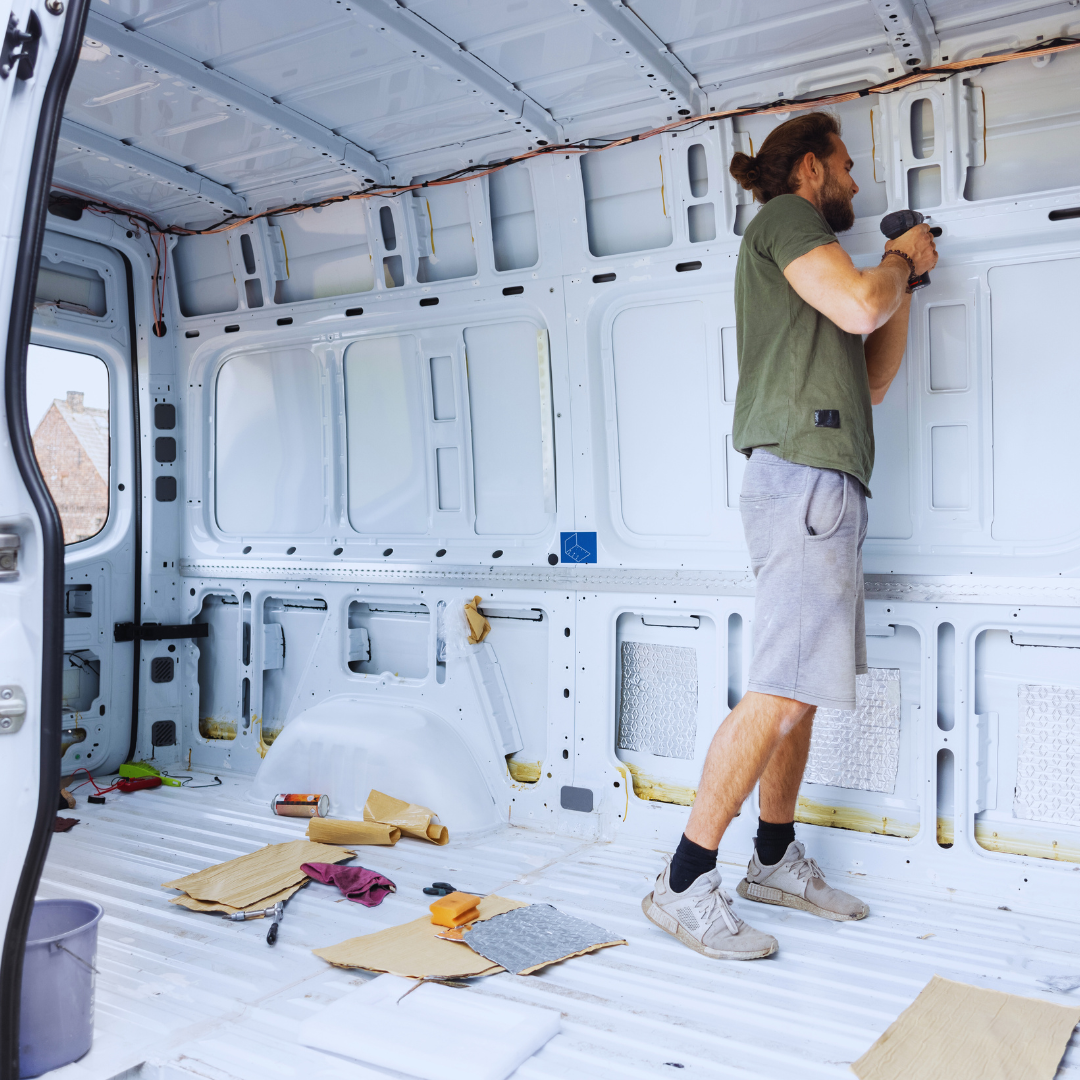
Van conversions have become increasingly popular for those seeking adventure on the road while enjoying the comforts of home. Planning a van conversion can be overwhelming with various factors to consider, from budget to design. One of the most critical tips is to thoroughly plan the layout and function of your space to ensure it meets your needs and lifestyle.
Choosing the right materials and understanding the van’s insulation needs can significantly impact comfort and durability. He or she should prioritize lightweight, high-quality components that contribute to both functionality and aesthetics. Incorporating smart storage solutions can maximize space, making the van feel more spacious while keeping essential items organized.
Engaging in a van conversion project offers a unique opportunity to customize a vehicle for travel and living. With the right approach and careful planning, anyone can create a tailored space that brings joy and practicality to their adventures. Research and community insights can provide invaluable guidance as they embark on this journey.
Planning Your Van Conversion
Planning a van conversion requires careful consideration of various factors such as budget, vehicle choice, layout design, and local regulations. Each element plays a crucial role in ensuring a successful transformation.
Establishing a Budget
Setting a clear budget is essential before starting a van conversion. This budget should include purchase costs, materials, tools, and unexpected expenses. It is wise to allocate about 10-20% of the total for contingencies.
Break down the budget into categories:
- Van Purchase: Determine if buying new or used best suits your finances.
- Materials: Calculate costs for insulation, flooring, cabinetry, and electrical components.
- Labor: Decide if the work will be DIY or if hiring professionals is necessary.
Research different materials and their prices to avoid overspending. This will help in sticking to the budget while achieving the desired results.
Choosing the Right Van
Selecting the right van is a foundational step in the conversion process. Factors to consider include size, condition, and suitability for the intended use.
Popular van models include:
- Mercedes Sprinter: Known for reliability and customization options.
- Ford Transit: Offers a good balance of affordability and features.
- Ram ProMaster: Has a wide-body design for increased space.
Test drive various models to assess comfort and drivability. Ensure the van aligns with your specific needs, whether for extended travel or occasional weekend use.
Designing Your Layout
Creating a functional layout maximizes space and enhances livability. Start by mapping out essential areas such as sleeping, cooking, and storage zones.
Key considerations include:
- Sleeping Area: Plan for a bed that suits your needs, whether fixed or convertible.
- Kitchen Space: Decide on appliance placement considering water and electrical access.
- Storage Solutions: Utilize vertical space with shelves and cabinets to keep the area organized.
Sketch different configurations to visualize the layout. Focus on flow and accessibility to ensure all areas are user-friendly.
Researching Local Laws and Regulations
Understanding local laws and regulations regarding van conversions is vital. Compliance helps avoid legal issues and ensures the safety of the conversion.
Areas to research include:
- Vehicle Modifications: Check local laws on modifications affecting safety and performance.
- Zoning Regulations: Be aware of camping and parking rules for converted vans.
- Safety Standards: Familiarize with any required safety inspections or certifications.
Connecting with local van conversion communities can provide insights and experiences related to legal requirements. This preparation will facilitate a smoother conversion process.
Insulation and Ventilation
Effective insulation and ventilation are critical for maintaining comfort in a van conversion. Proper insulation minimizes heat loss during colder months and keeps the interior cool in warmer temperatures. Adequate ventilation prevents condensation and promotes air circulation.
Selecting Insulation Materials
Choosing the right insulation materials impacts thermal performance and space efficiency. Common options include:
- Spray Foam: Offers high R-value per inch and fills gaps efficiently.
- Reflective Insulation: Works well in warmer climates by reflecting radiant heat.
- Rigid Foam Board: Provides effective insulation and is easy to install.
Consider both R-value and thickness when selecting materials. R-value measures thermal resistance; higher values indicate better insulation. Aim for a balance between insulation efficiency and the available space in the van.
Installing Ventilation Systems
Ventilation systems are essential for air quality and moisture control. The most popular types include:
- Roof Vents: These allow hot air to escape while letting cooler air in.
- Fan Units: Intake and exhaust fans can actively improve airflow.
- Windows: Opening windows enhances natural ventilation.
Position vents and fans strategically to achieve optimal airflow, ensuring one draws air out while the other brings air in. Consider incorporating a Maxxair fan or similar, which allows for use in various weather conditions. Proper installation helps reduce condensation, prevents mold growth, and creates a comfortable living environment.
Electrical and Solar Setup
Establishing a reliable electrical and solar setup is crucial for van life. A well-planned system ensures an adequate power supply for appliances, lighting, and charging devices. Key components include the electrical system’s design, solar panel choice, and battery and inverter specifications.
Planning Your Electrical System
When planning an electrical system, start by calculating the power requirements of all devices and appliances. This includes lights, a refrigerator, charging ports, and water pumps. Total these wattages to determine the overall usage per day.
Next, create a layout that includes wiring and outlets. Use ample wiring gauge to handle the load; 10-12 AWG is typical for most applications. It’s advisable to incorporate fuses and breakers for safety.
Consider the placement of components for easy access and maintenance. Allocate space for your solar controller and battery storage, ensuring ventilation where necessary.
Choosing Solar Panels
Selecting the right solar panels involves assessing efficiency and installation space. Two popular options are monocrystalline and polycrystalline panels. Monocrystalline panels offer higher efficiency, ideal for limited roof space.
The wattage of solar panels typically ranges from 100 to 400 watts. A common setup may include 200 to 400 watts for basic power needs. Remember to choose weather-resistant panels to withstand various climates.
Assess compatibility with the solar charge controller to maximize energy capture. Panels should be placed on a stable surface with maximum sun exposure. If all of this is quite overwhelming, it can be a good idea to get in touch with a reputable company like Rayne Automotive who can advise you on what will be suitable for your vehicle. Such retailers often sell complete solar panel kits as well, so you can have your setup running efficiently in no time at all.
Battery and Inverter Selection
Batteries store energy generated by solar panels. Lithium-ion batteries are a popular choice due to their longer lifespan and efficiency. Common sizes include 100Ah to 200Ah for moderate energy needs.
When selecting an inverter, match it to the power requirements of your appliances. Choose between a pure sine wave inverter for sensitive electronics or a modified sine wave for general use.
Calculate the total wattage needed at any time, factoring in surge requirements for certain devices. Ensure that the inverter meets or exceeds this wattage for optimal performance. Proper installation and ventilation are essential for both batteries and inverters to prevent overheating.
Interior Construction
Effective interior construction in van conversions maximizes space and utility. Careful planning ensures that each element serves a purpose while maintaining comfort and aesthetics.
Building a Bed Frame and Storage
Creating a bed frame that also offers storage solutions is essential. A platform bed design is popular for van conversions. It elevates the mattress and provides underneath storage for gear or supplies.
Using materials like plywood or solid wood ensures durability. Dimensions should fit the van’s specific layout, often allowing for crosswise or lengthwise orientation. Securing the frame with brackets also stabilizes it during travel. Consider including drawers or compartments that are easily accessible.
Installing Flooring and Walls
Choosing the right flooring can significantly impact the interior’s feel. Options include vinyl, laminate, and carpet. Each material has unique benefits, with vinyl and laminate being ideal for moisture resistance and easy cleaning.
For walls, lightweight materials such as paneling or insulation boards work best. Insulation is crucial for temperature control, so using foam board behind wall coverings can enhance comfort. Finally, finish with durable paint or lightweight wallpaper to personalize the space.
Custom Cabinetry and Shelving
Custom cabinetry is vital for efficient storage. It allows for tailored solutions that fit the exact dimensions within the van. Using plywood or MDF can keep the build lightweight while ensuring sturdiness.
Incorporating open shelves offers easy access to commonly used items. Adjustable shelving can adapt to various needs. Adding small drawer systems or hooks can further increase storage versatility. Functionality should always guide design choices to maintain an organized living space.
Plumbing and Water Systems
A reliable plumbing and water system is essential for any van conversion project. Proper management of freshwater and wastewater, along with suitable installations, contributes to functionality and comfort.
Freshwater and Wastewater Management
Managing freshwater and wastewater is crucial for maintaining hygiene and convenience. A typical setup involves a freshwater tank, usually between 10 to 30 gallons, which should be placed in a secure location to prevent movement while driving.
Wastewater management is equally important. Most vans include a gray water tank that collects water from sinks and showers. Sizes usually vary from 5 to 20 gallons. It’s advisable to install a valve to control the release of gray water, allowing for easy disposal at designated sites.
Installing Sinks and Showers
When installing sinks and showers, space is a primary consideration. Compact options like a corner sink or a fold-down shower can maximize available space effectively.
With plumbing connections, use PEX piping for its flexibility and resistance to temperature changes. A dedicated pump pressurizes the water, making flow consistent. Incorporating a shower curtain or portable shower setup can add functionality without permanent fixtures, enhancing usability.
Water Filtration and Heating Options
Access to clean water is vital. Installing a filtration system can ensure safe drinking water. Options such as carbon filter systems or UV purification units effectively remove contaminants.
For heating, consider an inline water heater for continuous hot water access. Alternatively, a portable propane heater offers a quick solution. Choose the method that best fits the van’s layout to ensure convenience and efficiency. If you do require an inline one, make sure that it is fitted correctly so that there aren’t any issues. Speak with a Plumber Bethlehem PA service to see what they can do for you.
Appliances and Furnishings
Selecting the right appliances and furnishings is essential for optimizing space in a van conversion. Compact designs and multifunctional items can enhance comfort while maintaining functionality.
Selecting Compact Appliances
When choosing appliances for a van, size is crucial. Options like mini refrigerators and two-burner stoves save space and energy. Look for items specifically designed for RVs or small living spaces, as they are more efficient.
List of recommended compact appliances:
- Portable induction cooktop: Fast cooking, energy-efficient.
- 12V refrigerator: Runs off the vehicle’s battery.
- Foldable sink: Saves space when not in use.
Incorporating appliances with multiple functions can minimize the need for additional items. For instance, a microwave that can also grill adds versatility without taking up extra space. Efficient water heaters and compost toilets can contribute to an eco-friendly lifestyle while fitting neatly into limited areas.
Choosing Comfortable and Functional Furniture
Furniture selection impacts livability in a van. Opting for foldable or stowable pieces can significantly save space. A Murphy bed or convertible sofa can serve dual purposes, providing a comfortable sleeping area at night and living space during the day.
Important furniture features to consider:
- Lightweight materials: Easy to move and install.
- Built-in storage: Maximizes space efficiency.
- Comfortable seating: Essential for long trips.
Choosing furniture with durable, easy-to-clean fabrics is advisable. This approach ensures longevity despite wear from travel. Consider ergonomic designs that provide comfort while minimizing bulk. Prioritizing furniture that fits the van’s interior style creates a cohesive, inviting atmosphere.
Aesthetics and Personalization
Personalizing a van conversion is essential for creating a comfortable and inviting space. Focusing on aesthetics enhances not only the visual appeal but also the overall functionality and atmosphere of the van. Key areas for personalization include wall treatments, lighting, and unique decorative elements.
Painting and Decorating
Choosing the right colors for walls can dramatically impact the feel of the van. Light tones such as whites or pastels make the space appear larger, while darker colors add coziness.
In addition to the wall, other exterior decorations may include roof racks for added storage, custom decals or wraps for a unique look, and upgraded bumpers for added protection.
Also, make sure the wheels and tyres are in good condition, as they’re essential for both safety and smooth driving performance. Additionally, alloy wheel respray can be considered to enhance the overall look of the van and to protect the wheels from corrosion and wear.
Types of Paints:
- Acrylic: Offers durability and easy application.
- Chalkboard: Suitable for interactive spaces, like kitchens.
Stickers, decals, or murals can personalize walls further. Textured finishes, such as wood paneling or cork, add warmth and character. Apart from the insides of the van, decorating the vehicle from the outside also creates a personal touch. You can personalise colours and Number Plates, add lighting and graphics, and many more for this.
Lighting Solutions
Effective lighting can transform a van’s ambiance. Incorporating multiple light sources, like task lamps and ambient lighting, enhances functionality.
Types of Lighting:
- LED Strip Lights: Offer flexibility in placement and energy efficiency.
- Puck Lights: Provide focused illumination in small spaces.
Natural light is invaluable as well; installing windows or skylights maximizes brightness during the day. Using dimmers allows for adjustable lighting levels, catering to different moods.
Adding Personal Touches
Personal items are key to making a van feel like home. Including photographs, art pieces, or travel memorabilia creates a sense of belonging.
Examples of Personal Touches:
- Throw Pillows: Introduce color and comfort.
- Rugs: Add texture and warmth underfoot.
Choosing multifunctional furniture enables added storage without sacrificing style. Incorporating plants or greenery enhances air quality and aesthetics. Each of these elements contributes to a unique, personalized space that reflects individual tastes and lifestyles.
Safety and Security
Ensuring safety and security is critical when converting a van into a livable space. This involves protecting against fire hazards, securing valuables, and conducting regular vehicle safety checks.
Installing Fire and Gas Alarms
Proper installation of fire and gas alarms is vital for van conversion safety. Smoke alarms detect smoke and alert occupants, while carbon monoxide alarms sense dangerous gas levels. Both should be installed in areas where people sleep or spend time.
Placement is key. Position alarms on the ceiling or high on walls, as smoke rises. Test alarms monthly and replace batteries at least once a year. Choose models with a long lifespan or hardwired options for added reliability.
Consider adding a fire extinguisher inside the van, ideally with a rating of 2-A:10-B. This ensures readiness in case of small fires. Regular maintenance checks and ensuring clear access can significantly enhance safety while on the road.
Securing Valuables
Protecting valuables within a van is essential for peace of mind. Utilize lockable storage such as cabinets or drawers designed for van interiors. This deters theft and keeps belongings organized.
Use a safe for more valuable items like electronics or important documents. Ensure it’s secured to the van structure to prevent theft. Additionally, installing a hidden compartment can further safeguard possessions.
It’s wise to use sunshades or curtains to obscure views of the interior. This reduces the temptation for potential thieves to break in. Regularly assess the security measures and make adjustments as needed to enhance protection.
Vehicle Safety Checks
Conducting regular vehicle safety checks is crucial for maintaining a safe van. Start with tire inspections, ensuring they are properly inflated and show no signs of wear. Regularly check tread depth and consider a rotation schedule to prolong tire life.
Perform routine checks on brakes, lights, and fluid levels. Ensuring that brake pads are in good condition and that lights are functional can prevent accidents. Adequate oil, coolant, and brake fluid levels are essential for reliable performance.
Create a checklist for these safety checks to ensure nothing is forgotten. This routine can save time and prevent potential issues while traveling, ensuring a safer experience for everyone in the van.