A well-maintained car not only looks good but also retains its value over time. With the right DIY car detailing tips, anyone can achieve a showroom finish that makes their vehicle stand out. Regular maintenance is crucial for keeping a car looking its best, and detailing plays a key role in that process.
From proper washing techniques to choosing the right wax and interior cleaners, effective detailing involves more than just a quick wash. These tips will guide car owners through the essential steps needed to elevate their vehicle’s appearance without the need for professional services. Taking the time to detail a car can lead to impressive results, ensuring it looks as vibrant as the day it was first driven off the lot.
Preparing Your Vehicle for Detailing
Preparing a vehicle for detailing involves two key steps: gathering essential tools and products, and conducting a thorough wash. Proper preparation sets the stage for achieving a professional finish. Now, for many vehicle owners, the number of products, tools, and steps required can feel overwhelming and time-consuming. When this is the case, professionals from trusted institutions like Oak City Auto Detailing Raleigh can be considered to handle the process efficiently and ensure a high-quality, thorough finish.
Gathering Essential Tools and Products
To begin, collect high-quality products and tools essential for detailing. This typically includes:
- Car Shampoo: Choose a pH-balanced car shampoo to avoid damaging the paint.
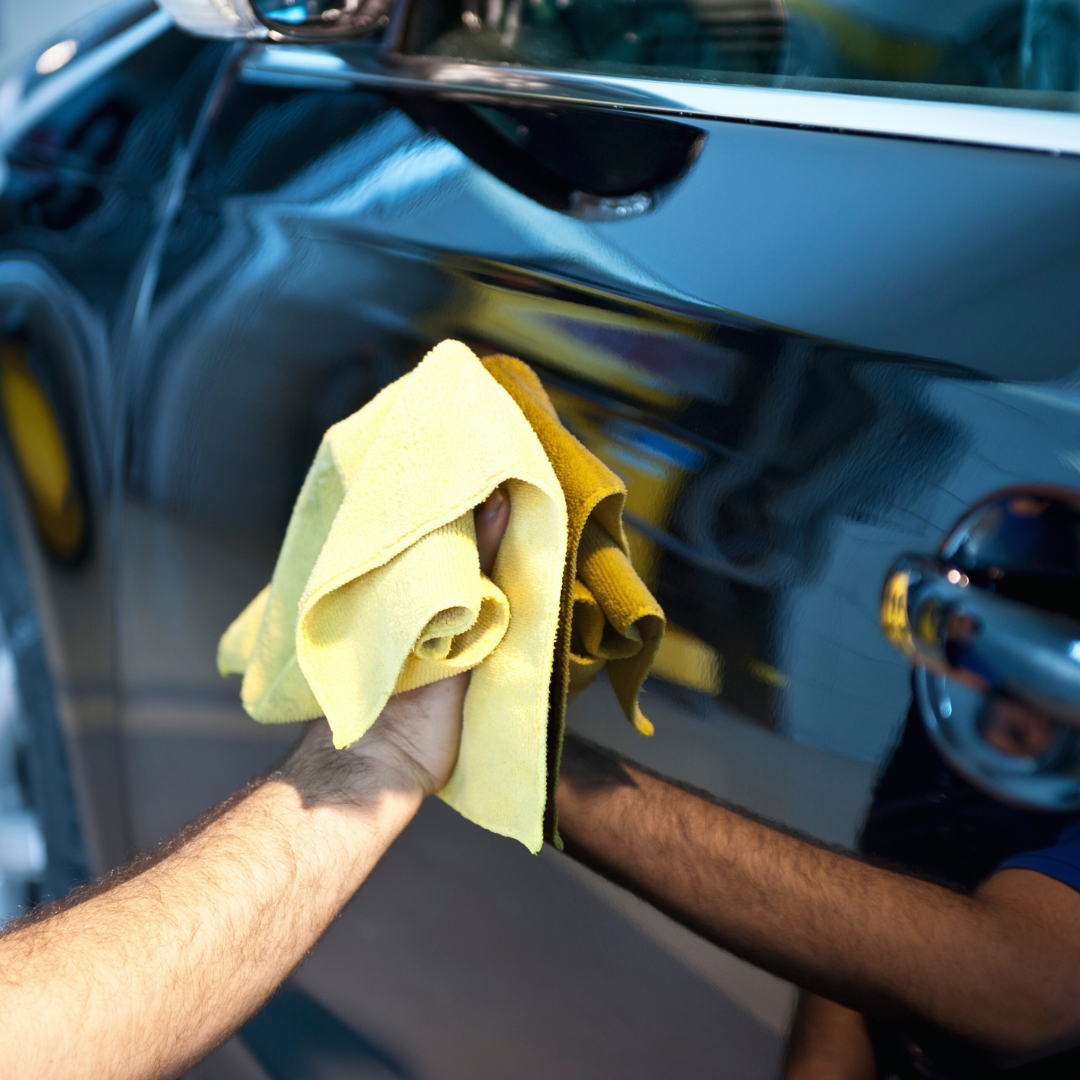
- Microfiber Towels: Soft and absorbent, they prevent scratches during the drying process.
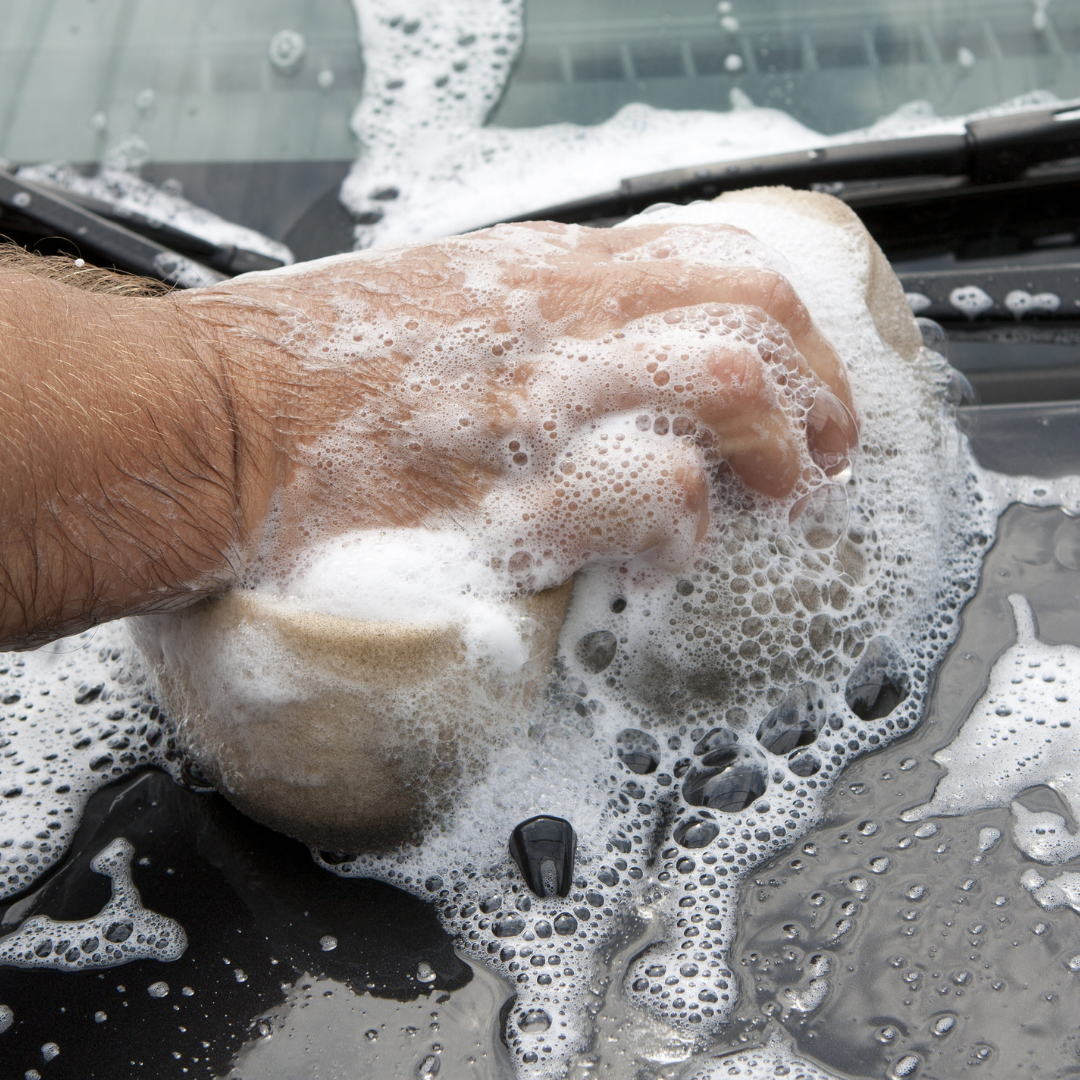
- Wash Mitt: A plush wash mitt allows for gentle cleaning without marring the surface.
Additionally, the two-bucket method is recommended. One bucket holds soapy water, while the second contains clean water for rinsing the mitt. This technique reduces the chance of dirt and grime scratching the paint. A pressure washer can also be beneficial for initial rinsing, ensuring dirt is removed effectively before washing.
Conducting a Thorough Wash
A thorough wash is crucial for effective detailing. Start by pre-rinsing the vehicle with a pressure washer or hose to remove loose dirt. This helps minimize scratches during the wash.
Next, apply car wash soap to the wash mitt and use the two-bucket method for cleaning. Work from the top down, as this prevents dirt from falling onto cleaned surfaces. Rinse the mitt frequently in the clean bucket, removing debris before reapplying soap.
After washing, rinse the vehicle thoroughly to remove all soap residues. Pay attention to tight areas and wheel wells where dirt can accumulate. This complete washing process prepares the vehicle for the next detailing steps, ensuring a clean surface for polish and wax application.
Correcting and Protecting the Exterior
Achieving a showroom finish requires meticulous attention to detail in correcting and protecting the exterior of the car. This process involves removing contaminants and scratches, polishing to enhance shine, and applying protective coatings.
Removing Contaminants and Scratches
To maintain a pristine exterior, it is essential to start with thorough contamination removal. Contaminants such as tar, tree sap, and industrial fallout can cling to the paint. A clay bar treatment effectively removes these impurities.
- Preparation: Wash the car thoroughly to eliminate dirt before using the clay bar.
- Technique: Lubricate the surface with a detailing spray. Glide the clay bar smoothly over the paint.
For scratches and swirls, paint correction with polishing compounds is crucial. A dual-action polisher can aid in minimizing surface imperfections. Select a compound suitable for the scratch depth and material type. For minor scratches, a fine polish might suffice, while deeper scratches may require a more aggressive approach.
Polishing for Shine and Gloss
Polishing is key to enhancing the vehicle’s shine and gloss. This process smooths the paint surface and enhances reflectivity.
- Choose the Right Polish: There are various types, from abrasive compounds for heavy corrections to finer polishes for a glossy finish.
- Application: Use a dual-action polisher for even application and desired results.
Applying polish in a cross-hatch pattern helps achieve uniform coverage. This technique also reduces the risk of holograms or micro-marring. After polishing, the surface should feel smooth to the touch.
Sealing with Waxes and Coatings
Protecting the exterior is as important as correcting it. Applying a sealant or wax shields the paint from environmental damage.
- Types of Protection: Options include synthetic wax, traditional car wax, and ceramic coatings. Each has distinct benefits regarding longevity and protection level.
- Application: Apply wax in thin, even layers using foam applicators. A circular motion ensures full coverage.
Ceramic coatings can offer longer-lasting protection, creating a hard shell over the surface. Ensure the vehicle is clean and dry before application for optimal adhesion.
Selecting the right sealing product will depend on individual preferences for durability and shine. Regular maintenance post-application is also vital to preserving the protective layer.
Interior Detailing for a Fresh Cabin
Creating a fresh interior cabin involves thorough cleaning of seats, surfaces, and detailed finishes. Focus on upholstery and leather care, deep cleaning surfaces, and ensuring all areas are free from dust and debris.
Cleaning Seats and Upholstery
For effective upholstery cleaning, start by vacuuming the seats to remove loose dirt and debris. A vacuum cleaner with a brush attachment can reach into crevices. For fabric seats, use a fabric cleaner; spray it on and scrub with a microfiber cloth.
Leather cleaning requires a gentle approach. Apply a leather cleaner evenly, then work it in with a soft cloth. After cleaning, it’s essential to apply a leather conditioner to maintain suppleness and prevent cracking. Regular care extends the life of leather seats.
Detailing Dash and Surface Areas
Dashboards and other surfaces accumulate dust and fingerprints. Use an interior cleaner suitable for various materials, ensuring it won’t damage any surfaces. Spray the cleaner on a microfiber cloth instead of directly on surfaces to avoid overspray.
For stubborn spots, a soft brush can help clear dirt from buttons and vents. Follow up with a glass cleaner specifically for the interior to achieve streak-free results on windows and mirrors. A clean dashboard enhances the vehicle’s overall look and raises its value.
Vacuuming and Final Touches
Vacuuming is a crucial step in interior detailing. Use a vacuum cleaner with appropriate attachments to reach all areas, including under seats and in tight spots. Pay attention to floor mats, as they often trap dirt.
After vacuuming, do a final check for any overlooked areas. Wipe down surfaces with a clean microfiber cloth for a polished finish. This attention to detail not only refreshes the cabin but also creates a welcoming atmosphere for passengers.
Maintaining Your Detail for Longevity
Regular washing is essential for preserving a car’s detailed finish. He should aim to wash the vehicle every two weeks to remove dirt and contaminants. Utilizing a foam cannon can enhance this process by providing even coverage and pre-soaking grime.
Paint protection plays a vital role in maintaining the shine. Applying high-quality wax or sealant every three months helps guard against UV rays and contaminants. For added durability, ceramic coatings can offer extended protection.
Tire maintenance is equally important. Using a specialized tire cleaner to remove built-up grime ensures that the rubber is clean before applying tire dressing. This not only maintains shine but also prevents cracking and drying.
Cleaning the wheels effectively is key to an overall detailed finish. A dedicated wheel cleaner helps in tackling tough brake dust. It is advisable to scrub the wheels during each wash to prevent corrosion.
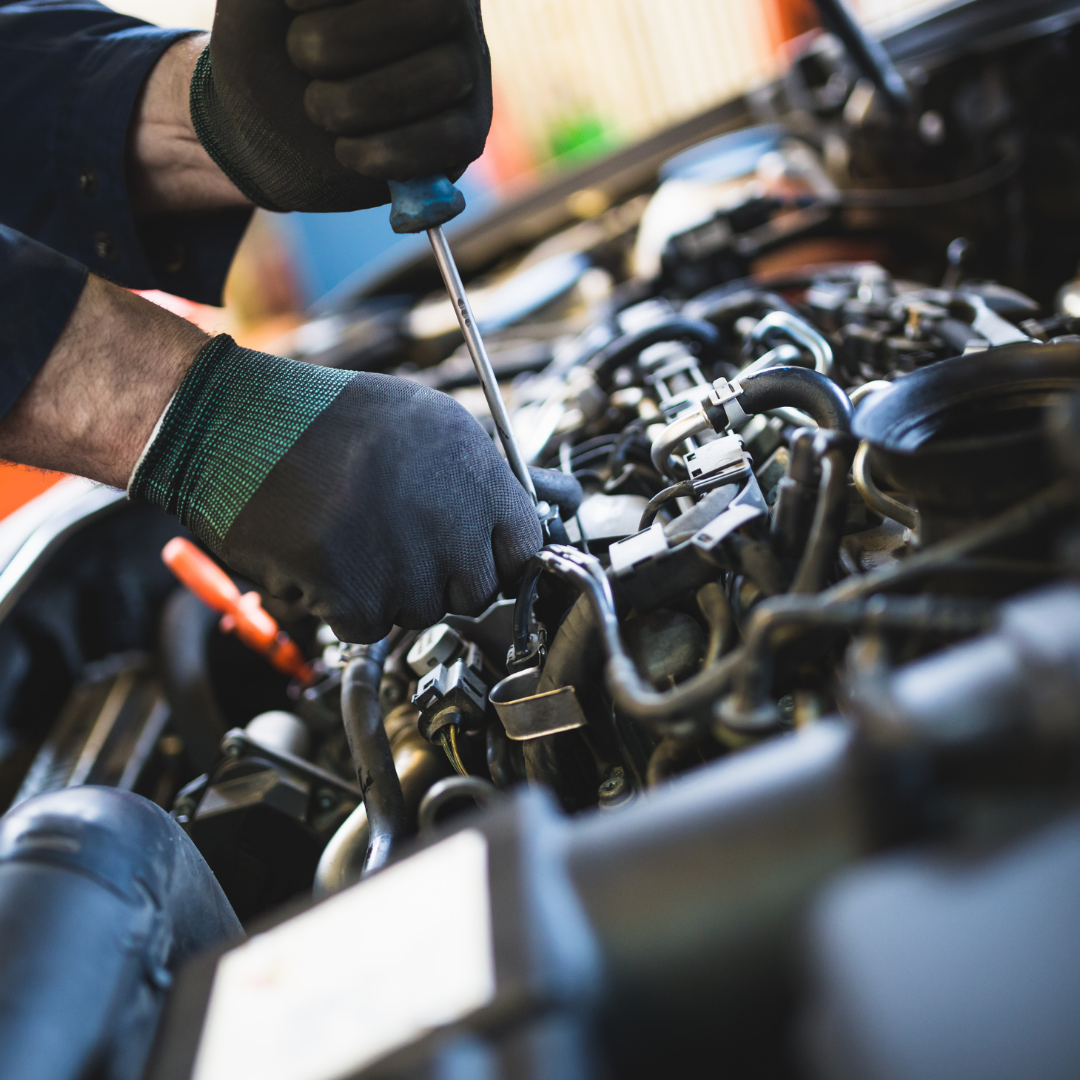
Regular engine bay cleaning also contributes to a well-maintained car. He should ensure to protect sensitive components while using appropriate automotive degreasers. Keeping the engine clean enhances both aesthetics and performance.
In summary, maintaining a showroom finish requires consistent effort across all areas, including paint protection, tire care, cleaning wheels, and tidying the engine bay. Each element plays a part in ensuring longevity and the overall appearance of the vehicle.