The automotive industry is undergoing a transformative shift as artificial intelligence (AI) fundamentally alters vehicle safety. AI technologies are enabling advanced safety features that significantly reduce the risk of accidents and enhance the overall driving experience. Innovations such as collision avoidance systems, adaptive cruise control, and real-time tracking are becoming standard in modern vehicles.
As automakers incorporate AI into their designs, they focus on analyzing vast amounts of data to predict potential hazards and improve driver responses. This proactive approach not only protects passengers but also aims to prevent accidents before they occur. The integration of AI in cars represents a significant milestone in the quest for safer roads and smarter driving solutions.
Understanding the impact of AI on vehicle safety is crucial for consumers and industry stakeholders alike. With these technological advancements, the future of driving looks increasingly secure, as vehicles become more adept at navigating complex traffic scenarios. Exploring how AI shapes safety protocols will reveal the potential benefits and challenges in this evolving landscape.
Evolution of Car Safety with AI and ADAS
The integration of AI and Advanced Driver Assistance Systems (ADAS) has significantly transformed car safety. These innovations focus on proactive measures to prevent accidents rather than merely responding to them.
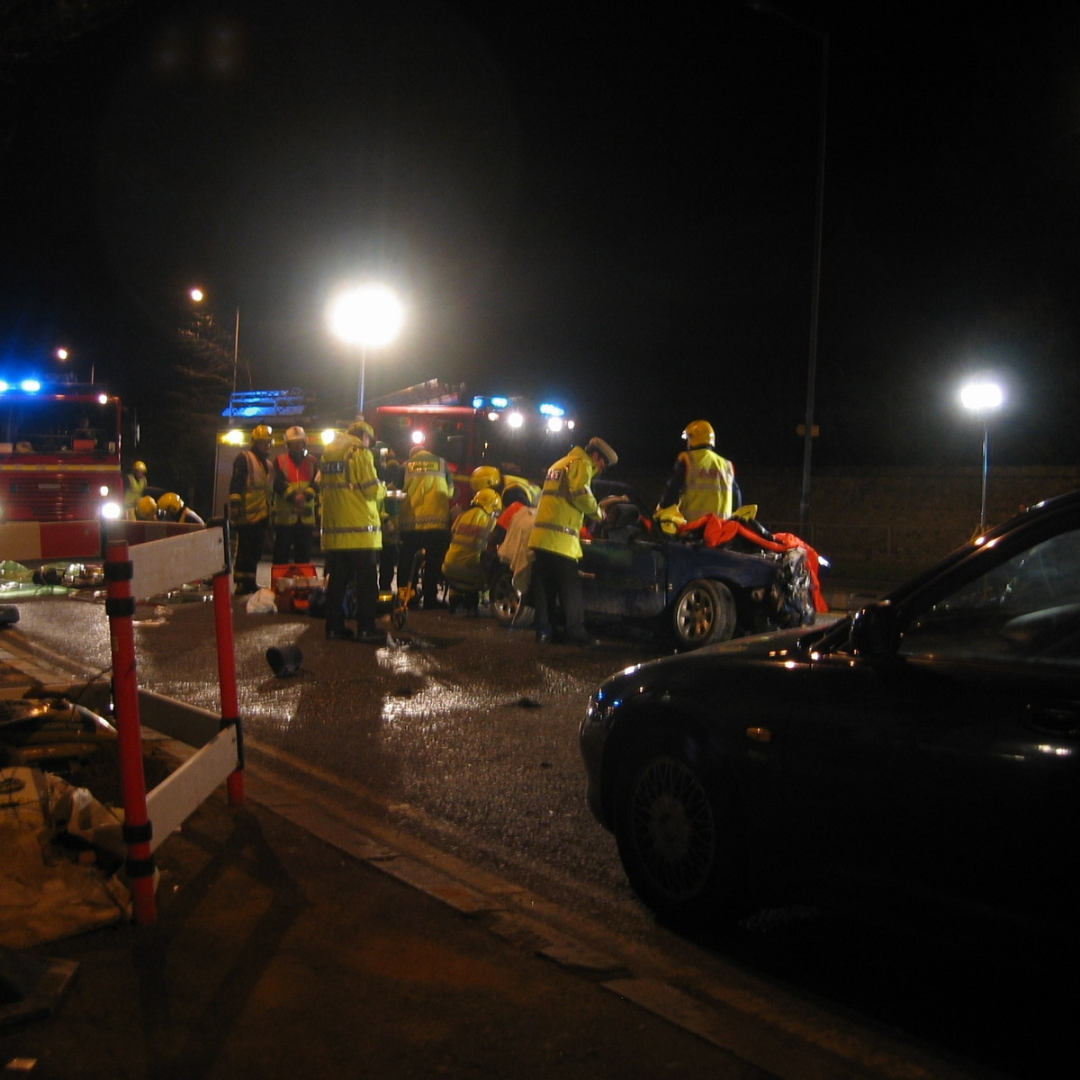
Car accidents can be extremely devastating, they can range from minor injuries to death, which is why safety should always be at the forefront of innovation. Until that has been severely reduced and statistics show that, those who have been in an accident should know what to do in the aftermath to help them recover and get the compensation they deserve. Speaking with Braker White Injury Lawyers, for example, can help move things along for the individuals benefit.
From Reactive to Proactive: The Role of AI in Preventive Measures
AI plays a crucial role in shifting car safety from a reactive to a proactive approach. Traditional safety systems often only engage after an incident has occurred. In contrast, AI algorithms analyze real-time data from various sources to anticipate potential dangers, allowing for timely interventions.
For instance, Automatic Emergency Braking (AEB) uses AI to detect imminent collisions. By calculating the speed and distance of vehicles ahead, the system can apply brakes if the driver fails to respond in time. This proactive measure has proven to reduce the severity of accidents considerably.
Enhancing Driver Assistance: Integration of Advanced AI Technologies
The integration of advanced AI technologies enhances Driver Assistance Systems, making them more effective. Features like Adaptive Cruise Control (ACC) maintain safe distances on the highway while eliminating the need for constant driver input.
Moreover, Lane Departure Warning systems utilize AI algorithms to monitor lane positioning. If the vehicle drifts without signaling, alerts are triggered to notify the driver. This constant monitoring helps mitigate risks associated with driver fatigue or distraction, significantly improving overall safety on the road.
The Synergy of AI and Sensor Fusion in Accident Prevention
Sensor fusion combines data from multiple sources to create a comprehensive understanding of the vehicle’s environment. This synergy is vital for collision avoidance systems and Blind Spot Detection technologies.
By incorporating inputs from radar, cameras, and LiDAR, AI algorithms can make precise judgments about surrounding vehicles and obstacles. This comprehensive awareness enables timely warnings and interventions, such as steering assistance when a lateral collision is likely.
None of this is possible without the physical infrastructure that keeps these sensors in position. The precision of AI-driven decisions depends entirely on the accuracy of sensor data — and that accuracy relies on components that hold cameras, radar units, and LiDAR arrays firmly in place under real-world driving conditions. The brackets, frames, and metal assemblies housing this technology must maintain exact alignment whether a vehicle is travelling at speed or navigating rough terrain. Automotive manufacturers looking for precision metal component specialists might consider companies similar to AMG Industries, or explore other precision manufacturers with experience in automotive-grade fabrication in their region.
The combination of AI and sensor technologies continues to evolve, pushing the boundaries of what is possible in car safety and enhancing the driving experience for all.
Autonomous Vehicles and Road Safety
Autonomous vehicles (AVs) are poised to transform road safety by leveraging advanced technologies like machine learning and Vehicle-To-Everything (V2X) communication. These innovations promise to improve traffic dynamics, enhance decision-making processes, and address ethical considerations in driving.
Impact of Fully Autonomous Cars on Traffic Dynamics
Fully autonomous cars can significantly alter traffic dynamics. Enhanced communication via V2X allows vehicles to share data about road conditions, enabling smoother traffic flow. This can potentially reduce congestion, lower accident rates, and minimize the number of emergency stops.
In addition, self-driving cars can optimize routes using real-time data. This capability leads to a more organized road environment by decreasing erratic driving behaviors commonly seen with human drivers. Furthermore, AVs can interact with traffic management systems to ensure quicker responses to changing road conditions.
Challenges and Solutions in AI’s Decision-Making Process
The decision-making process in autonomous vehicles presents unique challenges. Machine learning algorithms must quickly analyze vast amounts of data, including pedestrian movement, road obstacles, and other vehicles. In critical situations, the AI must make split-second decisions that prioritize safety while complying with traffic laws.
One challenge is training these algorithms to distinguish between various scenarios effectively. A solution lies in using diverse datasets representing numerous driving conditions. Continuous updates and real-world testing are also essential to enhance the reliability of AI systems.
Ensuring the Ethical Use of AI in Autonomous Driving
Ethical considerations in autonomous driving are paramount. Developers must navigate complex dilemmas, such as how an AV should react in an unavoidable accident scenario. Public acceptance hinges on transparency in how these decisions are made.
Data privacy is another key issue. The data collected by AVs must be secured to protect users while enabling effective learning for AI systems. Establishing clear guidelines and regulations for data usage will be vital for fostering trust and ensuring responsible AI deployment on roads.
AI-Driven Innovations in Automotive Manufacturing and Maintenance
The integration of artificial intelligence within automotive manufacturing and maintenance is reshaping industry standards. Key advancements include smart manufacturing processes and predictive maintenance strategies that enhance efficiency and reliability.
Smart Manufacturing: The Integration of AI in Production Processes
AI technologies are revolutionizing automotive manufacturing through improved efficiency and quality control. Machine learning algorithms analyze production data to optimize workflows and reduce waste.
- Robotics and Automation: AI-powered robots can adapt to different tasks, increasing flexibility on the assembly line.
- Quality Assurance: AI systems monitor product quality in real-time, identifying defects faster than human inspectors.
By leveraging predictive analytics, manufacturers can forecast production needs and adjust resource allocation dynamically. This adaptability results in reduced delays and improved output consistency.
Predictive Maintenance and Real-Time Diagnostics
Predictive maintenance utilizes AI to enhance vehicle reliability and maintenance efficiency. Through continuous data collection, AI analyzes vehicle performance metrics and identifies potential issues before they become critical.
- Diagnostic Tools: Advanced vehicle diagnostics employ machine learning to interpret error codes and usage patterns. This leads to more informed maintenance decisions.
- Cost Efficiency: By predicting failures and scheduling maintenance accordingly, vehicle downtime is minimized, resulting in significant cost savings.
AI-driven systems in diagnostics offer insights that allow for proactive repairs, reducing the likelihood of unexpected breakdowns. This approach ultimately enhances vehicle safety and driver confidence.