
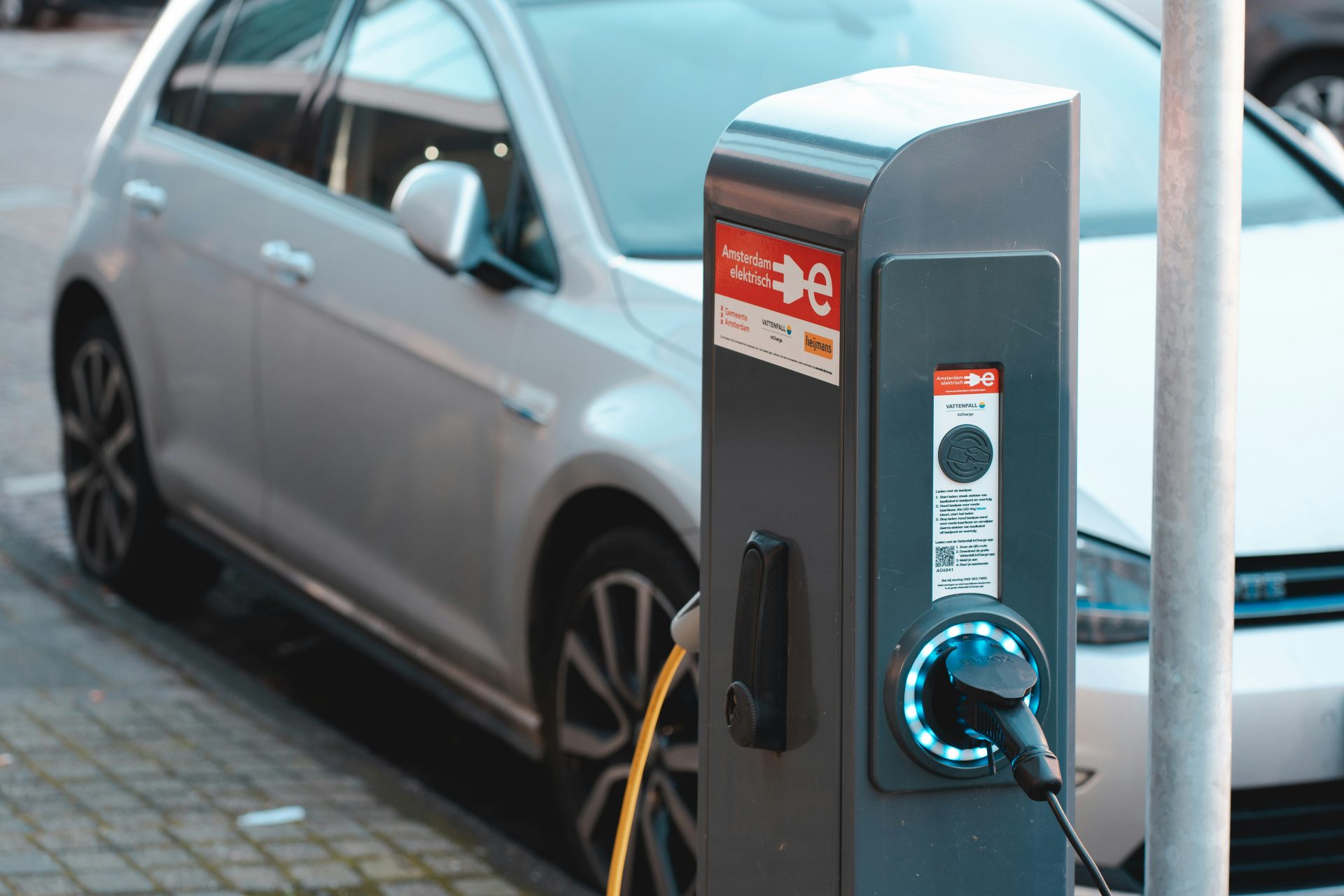
Have you noticed charging stations popping up in the most unexpected places lately? Not just in shopping centres or office blocks, but in hotel car parks, gyms, even cafés. What once felt futuristic is now becoming standard. For business owners, this shift isn’t something to file under “nice to have.” It’s happening now, and it matters. If you’re not thinking about EV charging yet, you’re already a step behind.
EV Charging Is Quickly Becoming an Expectation
It wasn’t that long ago that electric vehicle (EV) chargers were seen as a novelty — a green option offered by the few. Now, customers and employees are actively looking for them. Some even make decisions based on whether a location has charging available.
It doesn’t matter if you run a small retail store, a busy hotel, a gym, or a corporate office; you should be considering electric vehicle charging installation. The demand is growing across the board. More EVs on the road means more drivers looking for places to charge while they shop, work, or dine. That means more eyes on businesses that offer it, and less interest in those that don’t.
Why 2025 Is a Crucial Year
So why now? Why is this the year business owners really need to start paying attention?
There are three big reasons.
First, EV adoption has hit a tipping point. Over 15% of global car sales are now electric, and that figure’s climbing fast. That’s no longer a niche audience; it’s a rapidly growing part of the mainstream.
Second, governments are stepping in. Many regions have committed to phasing out petrol and diesel cars altogether in the coming years. That means infrastructure needs to keep up, and quickly.
Third, sustainability is no longer optional. From investors to customers, the pressure on businesses to operate more sustainably is stronger than ever. Adding charging stations is a simple, visible step in the right direction.
Put together, 2025 is shaping up to be a transition year. Miss this window, and you could spend the next few years trying to catch up.
Chargers Aren’t All the Same — And That Matters
Before jumping in, it’s important to understand that there are different types of chargers. They vary not just in speed, but in who they’re suitable for and how they fit into your space.
Level 1 chargers are the slowest and use a standard outlet. They’re fine for home use, but not ideal in a business setting where time is limited.
Level 2 chargers are the go-to for most businesses — they offer a much faster charge and are relatively simple to install.
Then there are DC fast chargers, which are much more powerful and can recharge a vehicle to 80% in under half an hour. These are best for locations where people only stop briefly, like service stations or shopping strips.
Understanding which type fits your space and customer needs is essential. Get that part wrong, and you might end up with an expensive piece of equipment that barely gets used.
Installation Isn’t Plug-and-Play
It’s tempting to think it’s as easy as buying a charger and plugging it in, but commercial installations come with a few layers of complexity.
You’ll need to assess your current electrical capacity. Many buildings weren’t built with EV charging in mind and might require significant upgrades. You also need to consider permits, site planning, safety standards, and placement — a charger tucked away in the corner of a dark car park isn’t going to be well-used.
Then there’s the cost. Beyond the unit itself, installation and infrastructure upgrades can add up quickly. But skipping steps or rushing through can lead to long-term issues.
The Benefits Run Deeper Than You Think
Of course, adding charging stations helps attract EV drivers. That part’s obvious. But the benefits don’t stop there.
Customers who plug in often stay longer. Whether they’re shopping or grabbing food, that extra time translates into extra spend. For employees, charging perks are becoming a sought-after bonus, especially in industries competing for skilled workers.
More than that, visible sustainability efforts matter to the public. They influence buying decisions, build trust, and show that your business is forward-thinking. It’s not just about keeping up. It’s about standing out.
Where to Start If You’re New to This
If you’re just starting to explore the idea, it’s helpful to think through a few key areas.
Start with a basic site audit. What’s your electrical capacity like? Do you have dedicated parking spaces where chargers could realistically go? Are customers or staff already asking about EV charging?
Next, think about your future growth. Even if you start small, choose a setup that can scale. It’s easier to install two chargers now with space for four later than to rework everything from scratch down the track.
Budgeting is another big piece. Costs vary depending on charger type, infrastructure, and installation, so be realistic and plan for both upfront and ongoing expenses.
Lastly, get advice from a qualified installer who understands commercial needs. A good setup should work for your space today — and still make sense five years from now.
Looking Ahead
The charging station conversation is no longer theoretical. It’s here, it’s growing, and it’s quickly becoming a core part of doing business. Whether you’re operating a single location or managing multiple sites, investing in EV charging is about more than meeting demand. It’s about creating a better experience, staying relevant, and building something that keeps working for you into the future.