Car maintenance doesn’t have to be complicated or expensive. Basic upkeep like checking tire pressure, changing oil, and monitoring fluid levels can keep your vehicle running smoothly and prevent costly repairs. Understanding these simple tasks saves time and money while improving safety.
Knowing what to look for and when to act can make a difference in your car’s performance. Regular maintenance helps identify minor issues before they become major problems, extending the life of your vehicle. This guide breaks down the essential steps for beginners to follow with confidence.
Understanding Basic Car Components
Knowing how key car parts work helps with basic maintenance and troubleshooting. Some parts require regular checks, while others only need attention when issues arise.
Engine and Transmission Overview
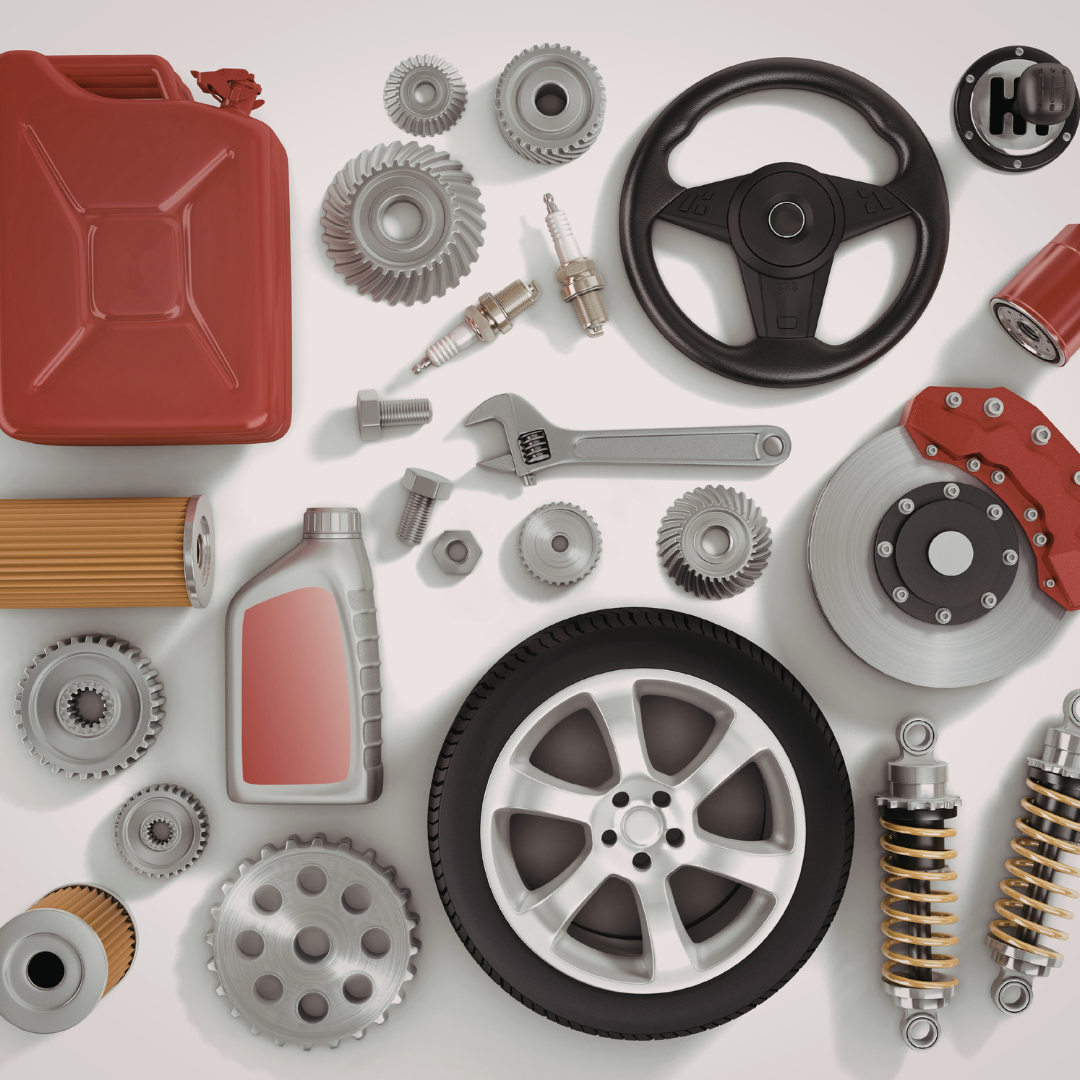
The engine is the car’s power source, converting fuel into mechanical energy. It consists of components like cylinders, pistons, and spark plugs, which all play roles in combustion and power generation. Regular oil changes are critical to keep the engine lubricated and prevent damage.
The transmission transfers engine power to the wheels. There are two main types: automatic and manual. The transmission fluid lubricates and cools the transmission. Monitoring fluid levels and changes is essential for smooth shifting and longevity.
Brake System Essentials
The brake system slows or stops the vehicle by converting kinetic energy into heat. It includes brake pads, rotors, calipers, and fluid, which must be maintained properly. Brake pads wear down over time and should be replaced before they damage rotors.
Brake fluid is another key element; it transfers pressure from the brake pedal to the brake components. Regularly checking the fluid level and condition prevents brake failure. Signs of brake issues include squeaking, reduced responsiveness, or vibrations when braking.
Battery and Electrical System
The battery supplies the electrical power needed to start the engine and run accessories. It stores energy and delivers a burst of current during startup. Battery terminals should be clean and free from corrosion to ensure proper connections.
The electrical system includes the alternator, which charges the battery while the engine runs, and fuses that protect circuits. A dying battery will cause slow starts or dim lights. Testing voltage and inspecting cables help keep the electrical system reliable.
Essential Tools and Safety Precautions
Having the right tools and following safety procedures are critical components of effective car maintenance. Tools must be reliable and suited for common tasks, while safety practices protect you from injury and damage to the vehicle.
Must-Have Tools for Beginners
Start with a basic tool kit that covers a range of common maintenance needs. Essential tools include a jack and jack stands for lifting the car securely, a lug wrench to remove tires, and a set of socket wrenches for bolts and nuts in various sizes.
Other important tools are screwdrivers (both flathead and Phillips), a tire pressure gauge, and pliers. A funnel is helpful for adding fluids neatly. For checking battery health, a multimeter can be useful, but optional for beginners.
Organizing tools in a sturdy box keeps them accessible during tasks. Avoid using makeshift tools, which can cause damage or injury.
Safe Work Practices
Always work on level ground and use wheel chocks to prevent the car from rolling. When lifting the vehicle, never rely on a jack alone—use jack stands placed under the manufacturer’s recommended lift points.
Wear gloves to protect your hands from chemicals and sharp edges. Safety glasses should be used when working near fluids or rust, protecting your eyes from splashes or debris.
Disconnect the battery if you’re working on electrical components to avoid shocks or shorts. Keep a fire extinguisher nearby, especially when dealing with fuel or oil. Maintain good ventilation when working indoors to avoid inhaling fumes.
Routine Checks and Maintenance
Regular attention to key car components can help avoid breakdowns and maintain performance. Focus on monitoring fluids, tire condition, and engine belts and hoses to keep your vehicle running smoothly.
Inspecting Fluid Levels
Checking fluid levels is essential for engine health and safety. Common fluids to inspect include engine oil, coolant, brake fluid, transmission fluid, and windshield washer fluid.
Use the dipstick to check engine oil—look for proper level and clean appearance. Coolant should be between the minimum and maximum marks in the reservoir and free of discoloration. Brake fluid must be at the recommended level; low fluid can affect braking performance.
Transmission fluid can require the engine to be warm to check. It should be clear, not dark or burnt-smelling. Refill fluids only with the correct type specified in your owner’s manual to avoid damage.
Checking Tire Pressure and Tread
Proper tire pressure ensures safety, fuel efficiency, and tire lifespan. Use a reliable pressure gauge to measure when tires are cold. Compare readings to the pressure listed on the driver’s side door jamb, not the number on the tire sidewall.
Tread depth affects grip and handling, especially in wet conditions. Use a tread depth gauge or the penny test: insert a penny into the tread with Lincoln’s head upside down. If the top of his head is visible, it’s time to replace the tires.
Look for signs of uneven wear, damage, or bulges. Replace or repair tires if any issues are found to maintain driving safety.
Examining Belts and Hoses
Belts and hoses are critical for engine operation and preventing overheating. Check belts for cracks, fraying, or glazing on the surface. A slipping or damaged belt should be replaced promptly.
Hoses must be inspected for cracks, leaks, or soft spots, especially near clamps and connections. Squeeze each hose; it should feel firm, not excessively soft or brittle.
Replace worn or deteriorated belts and hoses as recommended by the manufacturer or sooner if damage appears to avoid engine failure or overheating.
Oil and Fluid Changes
Properly maintaining your car’s fluids is essential for its performance and longevity. Regular checks and timely replacements prevent damage and keep systems functioning smoothly.
Changing Engine Oil
Engine oil lubricates, cools, and cleans the engine’s internal parts. Over time, oil degrades and becomes less effective, which can cause increased engine wear. Most manufacturers recommend changing oil every 3,000 to 7,500 miles, depending on the oil type and driving conditions.
Using the correct oil grade specified in your owner’s manual is crucial. When changing oil, also replace the oil filter to remove contaminants efficiently. Make sure the engine is warm before draining oil, and dispose of used oil properly by taking it to recycling centers.
Replacing Windshield Washer Fluid
Windshield washer fluid keeps your windshield clear and safe while driving. It should be checked monthly, especially before long trips or during seasons with heavy rain, snow, or dust.
Most fluids contain detergents that remove dirt, bugs, and residues without freezing in cold temperatures. Use a proper washer fluid mix rather than plain water to avoid freezing and improve cleaning. Refill the reservoir when the indicator light comes on or if the fluid level is visibly low.
Transmission and Brake Fluid Maintenance
Transmission fluid lubricates gears and helps regulate temperature in automatic and manual transmissions. Brake fluid transfers force from the brake pedal to the brakes and must be clean to avoid system failure.
Check these fluids according to your vehicle’s manual, often every 30,000 to 60,000 miles for transmission fluid and every 20,000 to 45,000 miles for brake fluid. Low or dirty fluid can cause slipping, reduced braking efficiency, or system damage. Use manufacturer-recommended fluid types to maintain system performance.
Tire Maintenance and Replacement
Proper tire care extends tire life and improves vehicle safety. It includes regular inspection, moving tires between positions, and ensuring tires wear evenly. Addressing balance and alignment prevents uneven wear and enhances driving comfort.
Rotating Tires
Tire rotation means moving tires from one position to another, like front to rear, to promote even wear. Tires at the front often wear faster due to steering and braking forces. Rotating every 5,000 to 7,500 miles helps maintain consistent tread depth across all tires.
Common rotation patterns include front-to-back for directional tires and the “X” pattern for non-directional ones. Always check the owner’s manual for recommended intervals and patterns, as some vehicles require specific rotations.
Keeping track of tire rotation schedules can prevent premature tire replacement and maintain vehicle stability during driving.
Balancing and Alignment
Balancing adds weights to tires to eliminate vibrations caused by uneven weight distribution. Unbalanced tires can lead to steering wheel shake, uneven tread wear, and premature suspension wear. Balancing should be done whenever new tires are installed or if vibrations develop.
Alignment adjusts the angles of tires relative to the vehicle frame, ensuring tires make proper contact with the road. Poor alignment causes uneven wear, pulling to one side, and poor handling. Get an alignment check if the car pulls, after hitting a curb, or annually as preventive care.
Maintaining balance and alignment improves fuel efficiency, tire life, and overall vehicle safety.
Battery Care and Replacement
Car batteries require regular attention to ensure reliable vehicle start-up. Proper testing, charging, and timely replacement are essential for avoiding unexpected breakdowns and maintaining battery health.
Testing and Charging a Car Battery
Testing a car battery involves checking its voltage and overall condition. Use a digital multimeter to measure voltage; a fully charged battery typically reads around 12.6 volts or higher. Values below 12.4 volts indicate a weak charge, while less than 12 volts often means the battery needs charging or replacement.
Charging a battery requires a compatible battery charger. Connect the charger’s positive clamp to the battery’s positive terminal and the negative clamp to the negative terminal or a grounded metal part of the car. Charge the battery slowly (at a low amperage) to avoid overheating. Regular testing and slow charging extend battery life.
Replacing a Car Battery
When a battery can no longer hold a charge or shows physical damage (such as corrosion or swelling), replacement is necessary. Start by turning off the engine and disconnecting the negative (black) terminal first, then the positive (red) terminal. This prevents short circuits.
Match the new battery with your car’s specifications, including size, voltage, and terminal placement. Install the new battery by connecting the positive terminal first, then the negative. Tighten the clamps securely and check for corrosion. Dispose of the old battery at an authorized recycling center.
Brake System Maintenance
Brake maintenance involves regular checks and timely fluid replacement to keep your vehicle stopping safely. Key tasks include evaluating the condition of brake pads and ensuring brake fluid is clean and at the proper level.
Inspecting Brake Pads
Brake pads should be inspected every 10,000 to 15,000 miles or sooner if braking performance declines. Look for pad thickness through the opening in the wheel or remove the wheel for a direct view. Pads thinner than 3mm need replacement to prevent damage to rotors.
Listen for squealing or grinding noises while braking; these sounds usually indicate worn pads. Uneven wear or vibration during braking can signal caliper issues or misalignment. Use a flashlight and a mirror if needed to check all pads systematically.
Changing Brake Fluid
Brake fluid absorbs moisture over time, which reduces braking efficiency and can cause corrosion within the system. Most manufacturers recommend replacing brake fluid every two years or 24,000 miles.
Use the correct fluid type specified in the owner’s manual, such as DOT 3, DOT 4, or DOT 5.1. Flush the system by draining old fluid and refilling with new, then bleed the brakes to remove air bubbles. Regular fluid changes maintain hydraulic pressure and extend component life.
Maintaining Lights and Wipers
Regular inspection and prompt replacement of headlights, taillights, and wiper blades ensure better visibility and safer driving. Both systems require straightforward steps to maintain optimal performance.
Replacing Headlights and Taillights
Check lights monthly to ensure all are functioning. For replacement, first consult your vehicle manual for the correct bulb type and location.
To replace a headlight or taillight bulb:
- Turn off the engine and open the hood or trunk.
- Remove the light housing cover by unclipping or unscrewing it.
- Disconnect the power connector from the bulb.
- Remove the old bulb by twisting or pulling it out.
- Insert the new bulb securely and reconnect the power.
- Test the light before reassembling the cover.
Avoid touching halogen bulbs with your bare hands; oils can shorten bulb life. Always replace bulbs in pairs to maintain consistent lighting.
Changing Wiper Blades
Replace wiper blades every 6 to 12 months, or sooner if streaking or screeching occurs. Start by lifting the wiper arm away from the windshield until it locks upright.
Next, press the release tab on the blade where it connects to the arm. Slide the old blade down to remove it. Attach the new blade by sliding it into place until it clicks.
Carefully lower the wiper arm back to the windshield to avoid damage. Keep windshield washer fluid topped up to reduce blade wear and improve clearing.
Seasonal Car Maintenance Tips
Different weather conditions demand specific care to keep your vehicle safe and efficient. Focusing on the right adjustments helps prevent breakdowns and improve performance throughout the year.
Preparing for Winter Conditions
Check your battery and replace it if more than three years old, as cold weather reduces its efficiency. Use winter-grade engine oil to ensure proper lubrication at low temperatures.
Inspect your tires closely. Consider installing winter tires with deeper treads for better grip on snow and ice. Keep tire pressure between 30-35 psi, checking regularly as cold air lowers it.
Fill your windshield washer fluid with antifreeze solution. Replace windshield wipers if they leave streaks to maintain visibility during snow or freezing rain.
Keep your gas tank at least half-full to avoid a fuel line freeze. Carry emergency supplies like a blanket, flashlight, and ice scraper in case of getting stranded.
Summer Heat Readiness
Check your cooling system by inspecting coolant levels and radiator hoses for cracks or leaks. Flush and replace coolant every two years or as recommended by the manufacturer.
Test your air conditioning system to ensure it cools effectively. Replace the cabin air filter if dusty, improving air quality and AC efficiency.
Monitor tire pressure closely since heat increases the pressure; adjust as needed to prevent blowouts. Inspect belts and hoses for signs of wear caused by heat exposure, replacing them if brittle or cracked.
Avoid parking in direct sunlight for extended periods to protect your car’s paint and interior. Use sunshades and consider applying UV protection products to maintain the dashboard and upholstery condition.
Recognizing Warning Signs
Cars display clear signals when something needs attention. Identifying these can prevent minor issues from turning into major repairs. Pay close attention to lights, sounds, and unusual odors.
Dashboard Indicator Lights
Dashboard lights inform you about your vehicle’s condition. Common indicators include:
- Check Engine Light: Signals engine or emission issues. Requires diagnostic testing to pinpoint problems.
- Oil Pressure Light: Indicates low oil pressure. Stop driving immediately and check oil levels.
- Battery Warning Light: Shows charging system problems or battery issues. May cause the vehicle to stall if ignored.
- Temperature Warning Light: Alerts to engine overheating. Stop and let the engine cool down.
Ignoring these lights can lead to costly repairs or unsafe driving conditions. Keep your owner’s manual handy to understand each symbol’s specific meaning.
Unusual Noises and Smells
Strange sounds or scents often indicate mechanical or electrical problems.
- Squealing Brakes: Suggest worn brake pads or loose belts.
- Grinding Noise: May mean brake issues or transmission problems.
- Knocking or Pinging: Indicates engine knocking, often due to poor fuel quality or spark problems.
- Burning Smell: Could be overheated brakes, clutch, or electrical wiring issues.
Noticing these early helps in addressing problems before they escalate. Record when and how frequently noises or smells occur to assist mechanics in diagnosis.
When to Seek Professional Help
Some car issues require expert knowledge and tools. If you notice strange noises, persistent warning lights, or fluid leaks, it is best to consult a professional mechanic. These signs often indicate underlying problems that can worsen without proper attention.
Complex repairs, such as those involving the engine, transmission, or brakes, should not be attempted without experience. Incorrect handling can lead to safety risks or costly damage.
Here are common situations when professional help is necessary:
| Problem | Reason to Seek Help |
| Check Engine Light On | Requires diagnostic equipment |
| Brake Issues | Safety-critical component |
| Transmission Problems | Complex and technical repairs |
| Overheating Engine | Possible cooling system failure |
| Electrical System Faults | Needs specialized diagnostics |
Routine maintenance like oil changes can often be done at home, but problems beyond basic checks need trained mechanics.
If you feel unsure during a repair or inspection, contacting a professional will save time and prevent further damage. Trust your judgment and err on the side of caution when your car behaves unusually.