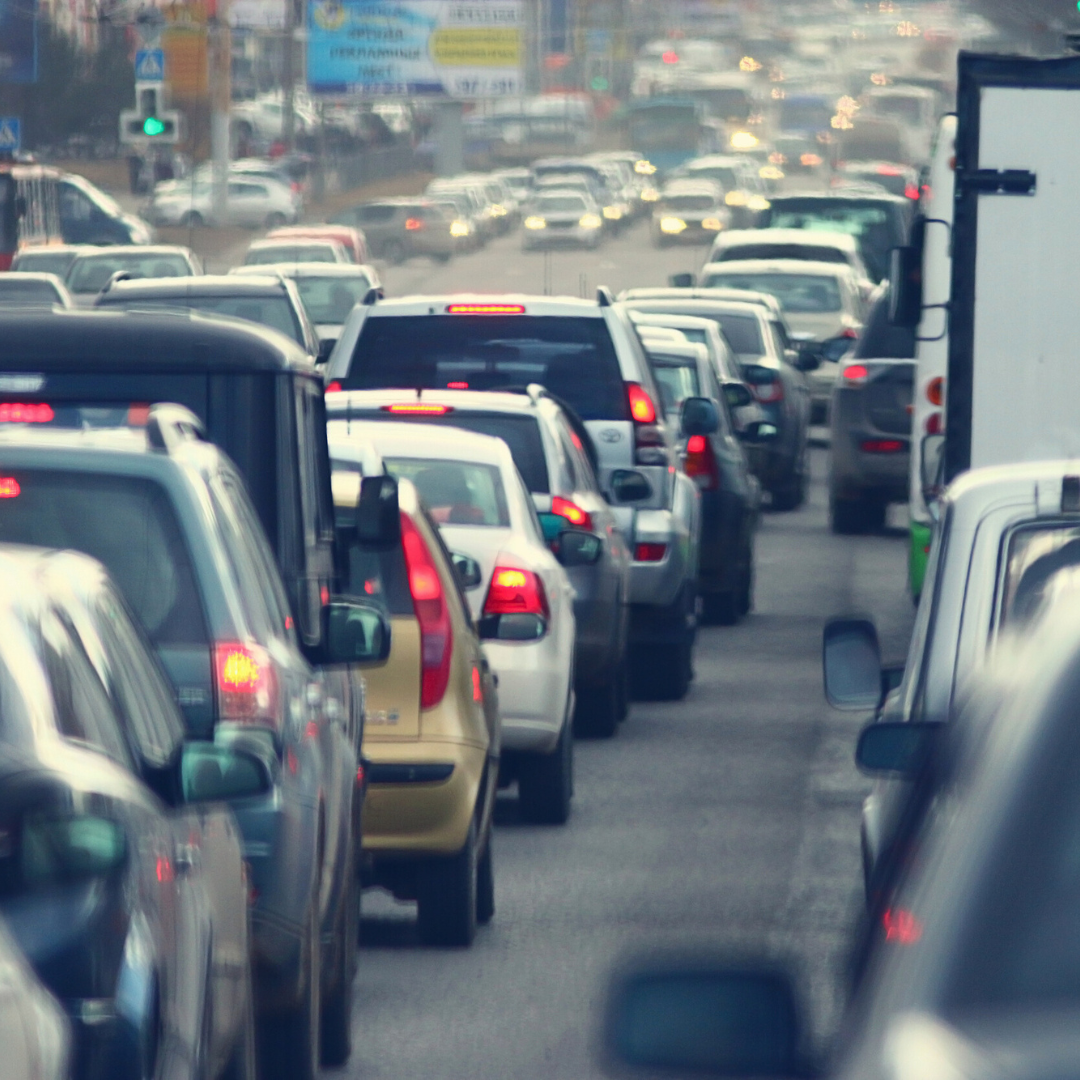
In urban environments, commuting presents unique challenges that demand a vehicle tailored to maneuvering through tight spaces and navigating traffic. The best cars for urban commuting are compact, fuel-efficient models that offer agility, comfort, and advanced technology features. These vehicles prioritize efficiency and convenience, making them perfect for daily travel in bustling cityscapes.
With a focus on size and functionality, many commuters seek cars that easily fit into smaller parking spots while also delivering a smooth ride. Additionally, modern urban cars come equipped with smart features designed to enhance the driving experience, such as navigation systems and connectivity options that streamline daily routines.
The right urban commuter vehicle can significantly improve the overall experience of navigating city traffic. By selecting an appropriate model, drivers can enjoy convenience without sacrificing comfort or style.
Criteria for Urban Commuter Cars
Selecting the right car for urban commuting involves several crucial factors. Key aspects include fuel efficiency, size, and maneuverability, alongside reliability and maintenance. These elements collectively contribute to a practical and cost-effective driving experience in city environments.
Fuel Efficiency
Fuel efficiency is essential for urban commuters. City driving often involves stop-and-go traffic, which can decrease fuel consumption in less efficient vehicles.
Key considerations include:
- Miles Per Gallon (MPG): Look for cars with high MPG ratings in city driving.
- Hybrid or Electric Options: These vehicles usually offer superior fuel economy and lower emissions.
Commuters can save significantly on fuel costs with vehicles averaging 30 MPG or higher. Additionally, many regions offer incentives for electric vehicles, further reducing expenses.
Size and Maneuverability
Size and maneuverability are critical for navigating urban environments. Compact cars typically perform better in congested areas, making them easier to park and drive.
Important factors include:
- Overall Dimensions: Smaller cars fit well in limited parking spaces and crowded streets.
- Turning Radius: A smaller turning radius assists with sharp turns and tight spots.
Urban commuters should also consider vehicles with rearview cameras and parking assist features to enhance ease of use in busy areas.
Reliability and Maintenance
Reliability impacts long-term costs and convenience in urban commuting. A dependable car minimizes the risk of breakdowns, which can be stressful in city traffic.
To evaluate reliability:
- Brand Reputation: Research makes and models are known for their durability.
- Maintenance Costs: Choose vehicles with lower long-term maintenance expenses.
Commuters should also check warranty options, as a good warranty can provide peace of mind and protect against unexpected repairs, making daily travel smoother.
Top Models for City Driving
City driving requires vehicles that are compact, fuel-efficient, and easy to maneuver. The following sections highlight suitable options, including hybrid and electric models as well as compact traditional vehicles.
Hybrid and Electric Choices
Hybrid and electric vehicles (EVs) offer excellent solutions for urban commuters. They excel in fuel efficiency, helping drivers save on fuel costs while reducing emissions.
- Toyota Prius: Known for its reliability, the Prius has impressive fuel economy, often exceeding 50 mpg. Its compact size makes it easy to navigate tight city streets.
- Honda Insight: With a sleek design and a comfortable interior, the Insight combines style with functionality. It offers excellent fuel efficiency and a user-friendly infotainment system.
- Tesla Model 3: This electric sedan provides quick acceleration and a long driving range of over 250 miles. Its advanced technology and minimal maintenance needs enhance the urban driving experience.
Compact Traditional Vehicles
Compact traditional vehicles are also great for city driving. They provide a balance of performance, comfort, and practicality.
- Ford Fiesta: This subcompact car is agile and offers a spirited driving experience. It features responsive handling and a well-designed interior, perfect for daily commuting.
- Hyundai Accent: Known for affordability, the Accent offers a spacious cabin and decent fuel economy. Its solid build quality ensures reliability for urban dwellers.
- Mazda 3: With its sporty design and engaging driving dynamics, the Mazda 3 stands out. It provides ample cargo space and a high-quality interior, making it an excellent choice for city living.
Technology Features for Comfort and Safety
Modern urban commuting demands vehicles equipped with advanced technology to enhance comfort and safety. Infotainment systems and advanced driver-assistance systems (ADAS) play pivotal roles in creating a smooth and secure driving experience in busy city environments.
Infotainment Systems
Infotainment systems have become central to vehicle comfort. They offer features such as:
- Navigation: Turn-by-turn directions and real-time traffic updates help drivers avoid congested routes.
- Smartphone Integration: Compatibility with Apple CarPlay and Android Auto allows easy access to apps and music.
- Touchscreen Interfaces: These intuitive screens often respond to voice commands and gestures, reducing distraction.
Some vehicles also include premium audio systems and multiple USB ports, ensuring connectivity for all passengers. Customizable settings further enhance the user experience, allowing personalization of climate, seat adjustments, and ambient lighting.
Advanced Driver-Assistance Systems (ADAS)
ADAS technologies are crucial for enhancing safety while commuting. These systems include:
- Adaptive Cruise Control: Automatically adjusts speed to maintain a safe distance from the vehicle ahead.
- Lane Departure Warning: Alerts drivers if they unintentionally drift out of their lane.
- Automatic Emergency Braking: Engages brakes to prevent or minimize collisions.
Many vehicles also feature blind-spot monitoring and rear cross-traffic alert, which provide drivers with essential information about their surroundings. These advanced technologies significantly reduce the risk of accidents and improve overall driving confidence in urban settings.