
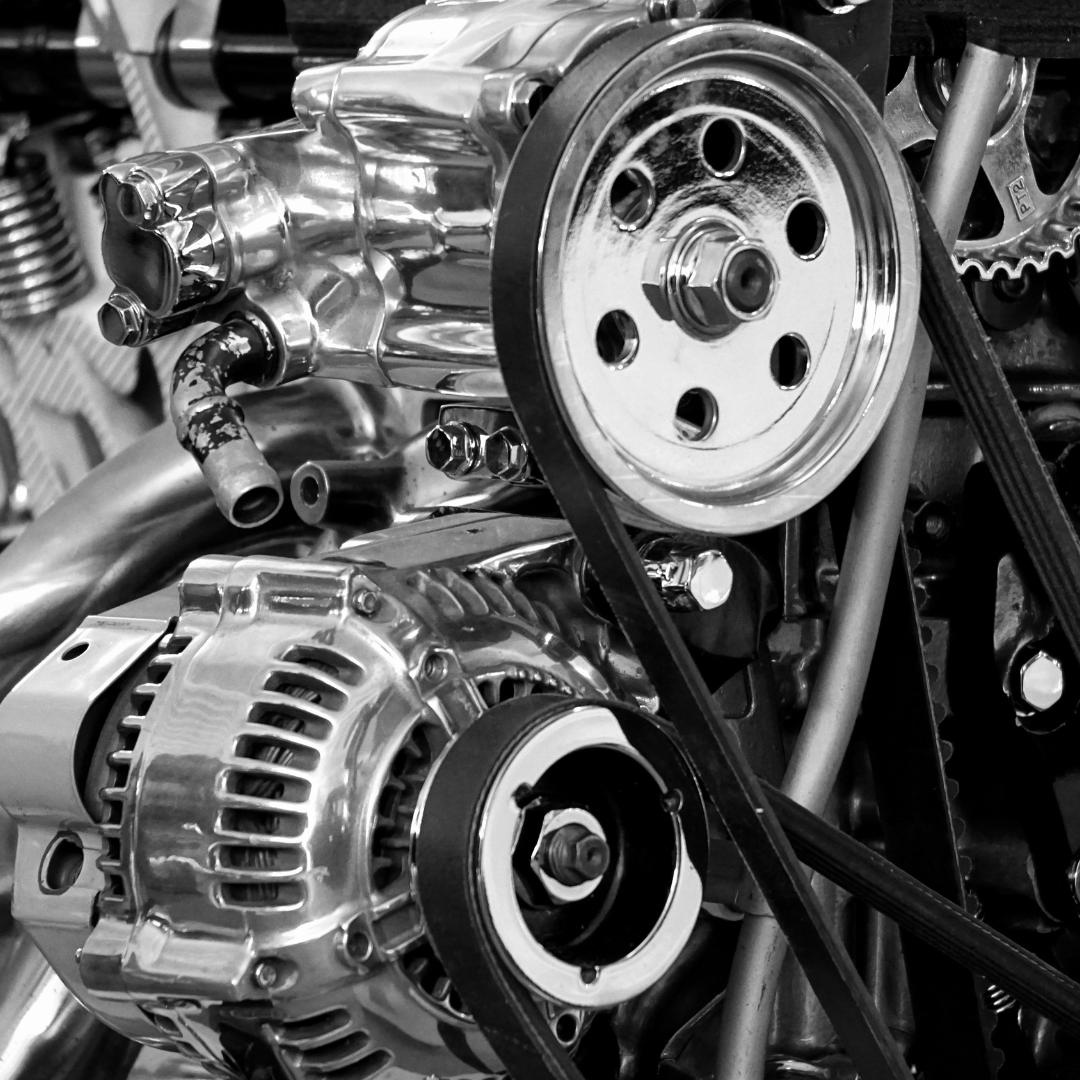
Turbocharged engines are a fascinating blend of engineering and physics, designed to maximize performance while maintaining efficiency. These engines work by forcing additional air into the combustion chamber, allowing for more fuel to be burned and resulting in increased power output. This technique not only enhances engine performance but also makes it possible to achieve greater horsepower without significantly increasing engine size.
The science behind turbocharging involves the use of a turbine powered by exhaust gases. This turbine spins a compressor that draws in more air, creating a denser air-fuel mixture. By understanding this process, enthusiasts and aspiring drivers can appreciate how technology transforms traditional automotive engineering into high-performance machinery.
As automakers continue to innovate, turbocharged engines are becoming commonplace in various vehicles, from sports cars to everyday sedans. Exploring the underlying principles of turbocharging reveals the reasons behind this shift and highlights the advantages of modern engine technology.
Fundamentals of Turbocharging
Turbocharging enhances engine efficiency and power by increasing the amount of air and fuel mixture entering the combustion chamber. Understanding how this process works involves examining the principles of forced induction, the main components of a turbocharger, and the significance of the intercooler.
Principles of Forced Induction
Forced induction refers to the technology used to increase engine power output by compressing air intake. This process allows more air molecules to enter the combustion chamber, enabling more fuel to be burned.
By compressing the intake air, turbocharging improves the engine’s thermal efficiency. The additional air helps to increase the engine’s power without significantly increasing its size or weight.
In essence, a turbocharger captures exhaust gases and converts that energy into usable power, creating a cycle of improved efficiency and performance.
Components of a Turbocharger
A turbocharger consists of several vital components that work together to achieve forced induction. Key parts include:
- Compressor: Draws in ambient air and compresses it before sending it to the engine.
- Turbine: Utilizes exhaust gases to spin the compressor. The energy from the exiting gases powers this component.
- Center Housing: Connects the turbine and compressor while containing the oil supply for lubrication and cooling.
Each part plays a crucial role in maintaining optimal performance and reliability. The materials used, such as high-temperature alloys, help ensure durability under extreme conditions.
The Role of the Intercooler
The intercooler is essential in a turbocharged system. It cools the compressed air before it enters the engine, reducing temperature and increasing density. Lower temperatures result in denser air, which can carry more fuel, thus enhancing combustion efficiency.
This cooling process not only improves performance but also prevents engine knocking and pre-ignition due to excessive heat. Intercoolers can be air-to-air or air-to-liquid, each with its advantages regarding efficiency and space requirements.
Proper intercooling can significantly enhance the overall effectiveness of a turbocharged engine, ensuring optimal performance under varying driving conditions.
Turbocharger Engineering
Turbocharger engineering involves the intricate design and optimization of components that enable efficient performance and reliability. Key aspects include the design of the compressor and turbine, the application of thermodynamics for boost control, and the selection of materials and manufacturing techniques tailored for high-performance applications.
Compressor and Turbine Design
The compressor is responsible for drawing in and compressing air before it enters the engine’s combustion chamber. Its efficiency heavily influences overall performance. Compressor wheels are commonly made from aluminum, which offers a favorable strength-to-weight ratio.
The turbine converts exhaust gases into energy to drive the compressor. Specific designs, such as a radial or axial flow, affect performance characteristics. Turbine sizing must balance responsiveness and back pressure to ensure optimal engine operation.
Creating these complex turbine parts requires specialized manufacturing setups that can handle tough metals. Many manufacturers use advanced aerospace tooling methods to shape these components with high accuracy. These setups help maintain the exact shapes needed for optimal airflow. Without this level of precision, the turbine wheels can suffer from balance issues at high speeds. This careful production process helps the engine run safely under extreme heat.
Thermodynamics and Boost Control
Boost control is essential for managing the power and efficiency of turbocharged engines. Thermodynamic principles dictate how air pressure and temperature change within the turbocharger, impacting the air-fuel mixture entering the engine.
Wastegates and electronic boost controllers are critical in regulating the turbocharger’s output. Properly tuned systems allow for faster spool-up times and greater power output, minimizing lag.
Materials and Manufacturing Techniques
Durability is crucial in turbocharger engineering due to high temperatures and pressures. Materials such as Inconel and high-temperature alloys are often used for turbine components to withstand extreme conditions.
Manufacturing techniques, including investment casting and CNC machining, ensure precision and uniformity in parts. Advanced processes can optimize airflow and strength, leading to enhanced performance and longevity in turbocharged systems.
These production methods require strict quality standards to handle the extreme heat and pressure of high-performance engines. Many of the same tight tolerances and advanced milling processes are also used in aerospace machining to create flight-ready components. Technicians rely on multi-axis equipment to work with tough metals like titanium and Inconel. This level of accuracy prevents part failure under heavy stress. Using these industrial-grade practices helps manufacturers build more reliable turbochargers for everyday vehicles.
Turbochargers in Practice
Turbochargers are essential components in modern automotive engineering, enhancing performance, improving fuel efficiency, and reducing emissions. Their practical applications span various performance and efficiency aspects, making them a crucial element in both OEM and aftermarket systems.
Performance Applications
Turbochargers significantly boost engine power by forcing more air into the combustion chamber. This results in a denser air-fuel mixture, leading to higher horsepower and torque.
For performance enthusiasts, turbochargers provide the ability to enhance vehicle speed and acceleration without the need for larger displacement engines. Common vehicles equipped with turbochargers include sports cars and performance trucks.
Key benefits include:
- Increased power output
- Fast throttle response
- Enhanced adaptability in different driving conditions
Fuel Efficiency and Emissions
Turbochargers improve fuel efficiency by enabling smaller engines to produce the power typically associated with larger ones. This downsizing leads to reduced weight and improved mileage without sacrificing performance.
Additionally, turbocharged engines often emit fewer harmful gases due to more complete combustion. They utilize advanced technologies, such as intercoolers and wastegate valves, to optimize air intake and exhaust management.
Important points include:
- Improved fuel economy, often by 10-20%
- Reduced CO2 emissions
- Enhanced energy recovery through exhaust gases
Aftermarket and OEM Turbo Systems
The aftermarket for turbocharging is robust, offering various upgrades for enthusiasts looking to increase performance. These systems often include larger turbochargers, better intercoolers, and enhanced engine management solutions.
Original Equipment Manufacturers (OEMs) are increasingly integrating turbo systems into new vehicles due to their efficiency and performance benefits. Consumers appreciate the balance of power and economy in these factory-installed systems.
Aftermarket vs. OEM considerations:
- Aftermarket: Customization, higher performance potential, typically more expensive
- OEM: Reliability, warranty support, designed to fit specific vehicle models
Both options provide distinct benefits tailored to different user needs.
Maintenance and Troubleshooting
Turbocharged engines require regular upkeep and knowledge of common issues to ensure longevity and reliability. Proper maintenance can prevent major problems and enhance performance.
Regular Maintenance
Routine checks are essential for turbocharged engines. Key areas to focus on include:
- Oil Changes: Synthetic oils are often recommended for turbo engines. Changing oil every 5,000 to 7,500 miles helps maintain lubrication.
- Air Filter Replacement: A clean air filter ensures optimal airflow. This should be changed according to the manufacturer’s specifications, typically every 15,000 to 30,000 miles.
- Intercooler Inspection: Regularly check the intercooler for leaks or blockages. Cleaning or replacing it can improve efficiency and performance.
Adhering to a maintenance schedule minimizes wear and problems over time.
Diagnosing Common Issues
Identifying problems early can save time and money. Common issues include:
- Boost Leaks: Signs include poor acceleration and decreased power. Inspect hoses and connections for cracks or loose fittings.
- Turbo Lag: If there’s a delay in acceleration, the wastegate or turbo may be malfunctioning. A thorough inspection is necessary to identify the cause.
- Excessive Smoke: Blue or black smoke can indicate oil leaks or fuel mixture issues. Monitor oil levels closely to avoid damage.
Using diagnostic tools can assist in pinpointing issues more efficiently.
Reliability and Longevity Factors
The durability of turbocharged engines hinges on several factors:
- Fuel Quality: Higher-octane fuels can enhance performance and reduce knock. Always use fuel that meets the engine’s requirements.
- Cooling System: A well-functioning cooling system prevents overheating. Regular checks of coolant levels and system integrity are crucial.
- Driving Habits: Gentle acceleration and cooling down periods after driving can prolong engine life. Avoiding aggressive driving reduces stress on components.
Regular attention to these factors can significantly impact engine reliability.=